

In the high-stakes world of competitive racing, every detail matters, and one of the most critical factors influencing a vehicle’s performance is tire pressure. The correct tire pressure not only affects the grip the tires have on the track but also governs several other performance aspects, including handling, acceleration, and braking distances. Understanding the intricate relationship between tire pressure and grip can provide teams with a distinct competitive advantage.
When tire pressure is optimized, the contact patch – the area of the tire that makes contact with the road – is maximized, enhancing overall grip. This increased grip enables better traction during cornering and acceleration, allowing drivers to navigate turns at higher speeds while maintaining control. Conversely, improper tire pressure can lead to diminished grip, ultimately jeopardizing a racer’s chance at success.
Moreover, tire pressure influences the tire’s temperature and wear characteristics, further complicating the delicate balance that teams must maintain during a race. Under-inflated tires can overheat and degrade faster, while over-inflated tires may lose their optimal performance characteristics. Thus, careful management and adjustment of tire pressure are essential for achieving peak performance in competitive racing.
Understanding Optimal Tire Pressure for Maximum Grip
Optimal tire pressure is crucial for achieving maximum grip during competitive racing. Grip refers to the tire’s ability to adhere to the road surface, which directly impacts vehicle stability, cornering, and braking performance. Incorrect pressure levels can lead to reduced traction and compromised handling, affecting overall race outcomes.
Finding the ideal pressure requires an understanding of several factors, including tire specifications, track conditions, and vehicle dynamics. Each tire has a designated optimal pressure range, usually indicated by the manufacturer. Operating within this range enhances the tire’s contact patch with the road, allowing for improved grip.
Under-inflated tires can cause excessive flexing, leading to a larger contact area that may seem beneficial but actually increases rolling resistance and heat buildup. This can result in diminished grip and increased tire wear. Conversely, over-inflated tires reduce the contact patch, causing a harder surface that diminishes traction and compromises effective braking.
Moreover, external conditions such as temperature and humidity influence tire pressure. Higher temperatures typically increase tire pressure, potentially pushing it beyond optimal levels. Regular monitoring and adjustment are necessary to maintain ideal pressure throughout a race. Track temperature can vary, and adapting tire pressure accordingly can enhance grip and performance.
In conclusion, understanding and maintaining optimal tire pressure is essential for maximizing grip in competitive racing. Properly inflated tires enhance vehicle performance and ensure drivers achieve their best lap times. Regular adjustments based on varying conditions will allow racers to exploit the full potential of their tires, leading to a competitive edge on the track.
How Tire Pressure Influences Cornering Stability
Tire pressure plays a crucial role in determining a vehicle’s cornering stability during competitive racing. Adequate pressure ensures that the tire maintains optimal contact with the track surface, facilitating better grip and handling. When tires are under-inflated, their sidewalls flex excessively, which can lead to a larger footprint and decreased responsiveness. This condition often causes a loss of control, as the tires become sluggish in their reaction to steering inputs.
On the other hand, over-inflated tires can result in a smaller contact patch, reducing the amount of rubber in contact with the road. This leads to a harsh ride and diminished traction, adversely affecting cornering performance. The ideal tire pressure allows for an optimal balance between these two extremes, providing the necessary support during high-speed cornering while maintaining adequate feedback to the driver.
Moreover, tire pressure influences weight distribution and load transfer during cornering. A correctly inflated tire supports the vehicle’s weight appropriately, allowing for better weight transfer to the outside tires during a turn. This facilitates improved cornering stability and enhances the overall performance. Frequent monitoring and adjustment of tire pressure are essential to maximize control, minimize tire wear, and ensure consistent handling characteristics throughout a race.
The Role of Tire Pressure in Braking Efficiency
Tire pressure is a critical factor that significantly influences braking efficiency in competitive racing. The interaction between tires and the track surface determines the overall grip, a crucial element for effective deceleration. When tire pressure is correctly adjusted, it enhances the tire’s contact patch with the road, directly impacting grip and control during braking maneuvers.
Under-inflated tires can lead to excessive deformation when force is applied during braking, resulting in a larger contact area. While this may seem beneficial, it can actually diminish stability and control, causing longer stopping distances. Conversely, over-inflated tires can reduce the contact patch size, leading to less grip and a harsher ride, which can negatively affect the driver’s handling precision.
Finding the optimal tire pressure is essential for maximizing braking performance. Adjustments must consider track conditions, temperature, and tire characteristics. Teams often use telemetry data to fine-tune tire pressures during practice sessions, aiming for a balance that provides both grip and responsiveness when decelerating.
| Tire Pressure Level | Effect on Grip | Braking Distance | Handling Stability |
|---|---|---|---|
| Under-inflated | Increased contact area | Longer braking distances | Decreased stability |
| Optimal | Maximized grip | Shorter braking distances | Improved stability |
| Over-inflated | Reduced contact area | Longer braking distances | Decreased stability |
In summary, maintaining the correct tire pressure is vital for achieving optimal braking efficiency in racing. Proper tire management enhances grip, reduces stopping distances, and increases overall vehicle stability, allowing drivers to perform at their best on the racetrack.
Adjusting Tire Pressure for Different Track Conditions
In competitive racing, the optimal pressure in tires is crucial for maximizing grip and enhancing overall performance on the track. Different track conditions, such as wet, dry, or abrasive surfaces, require precise adjustments to tire pressure to ensure vehicles maintain peak performance.
On dry tracks, a lower tire pressure can provide increased contact area, leading to better grip and improved cornering capabilities. However, it is essential to avoid excessive pressure drops, as too low can result in overheating and tire degradation. Testing and fine-tuning are key to finding the sweet spot that balances traction and tire longevity.
Conversely, wet conditions necessitate a different approach. Higher tire pressure can help reduce the risk of hydroplaning by minimizing the tire’s footprint on the asphalt. This approach encourages the tire to push away excess water, thereby maintaining better grip on slick surfaces. Monitoring performance during practice sessions allows teams to make necessary adjustments based on real-time feedback.
In particular, abrasive tracks may demand a higher tire pressure to avoid excessive wear. When tires are subjected to rough surfaces, maintaining adequate pressure helps preserve the integrity of the tire structure while ensuring optimal grip. Balancing durability with performance is essential for success in such challenging environments.
Finally, it is important to regularly check tire pressure before and during races. Environmental factors, including temperature fluctuations, can significantly influence tire performance. Adjusting pressure according to the prevailing conditions allows drivers to achieve the best possible grip and maintain competitive edge throughout the event.
Measuring and Maintaining Tire Pressure During Races

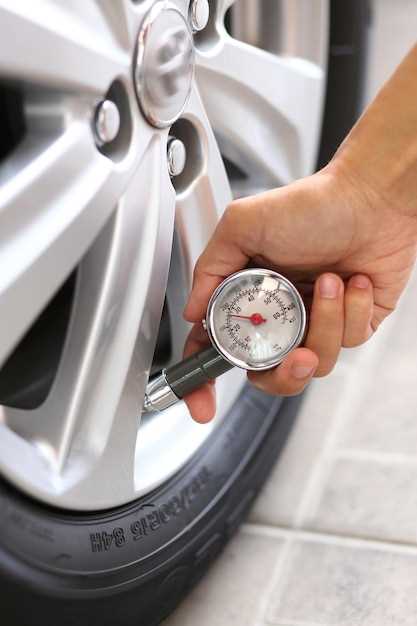
Accurate measurement of tire pressure is critical in competitive racing, as it directly influences performance, handling, and safety. Teams utilize specialized tire pressure gauges to ensure precision. These instruments allow for quick assessment of the tire’s inflation level, enabling adjustments to be made swiftly during pit stops. The recommended tire pressure usually varies based on track conditions, vehicle setup, and tire type.
Maintaining optimal tire pressure throughout the race is essential. Overinflated tires can lead to reduced contact with the track, causing poor grip and uneven wear. Conversely, underinflated tires may result in excessive heat buildup, compromising traction and increasing the risk of blowouts. Teams often monitor tire pressure using telemetry systems that provide real-time data, allowing strategists to make informed decisions on tire management.
Before the race, teams conduct thorough pressure checks and adjustments to align with their strategy. During the competition, drivers may relay feedback on handling, prompting teams to adjust tire pressure accordingly. Post-race inspections include measuring remaining tire pressures to analyze performance and inform future races. This comprehensive approach to tire pressure management is a decisive factor in achieving competitive advantage.
Impact of Tire Pressure on Wear and Longevity of Tires
Tire pressure plays a crucial role in determining both the wear and longevity of tires used in competitive racing. Properly maintained tire pressure not only affects grip and handling but also directly influences how tires degrade over time. Here are the key aspects of tire pressure’s impact on wear and longevity:
- Optimal Pressure Levels: Each tire model has recommended pressure levels that should be adhered to. These recommendations are based on extensive testing and are crucial for achieving the best performance and wear characteristics.
- Under-inflation:
- Increased rolling resistance, leading to greater heat generation.
- Uneven tread wear, primarily on the outer edges of the tire.
- Reduced grip, especially during high-speed cornering, increasing the likelihood of tire failure.
- Over-inflation:
- Stiffer tire structure, which can reduce the contact patch with the road surface, negatively impacting grip.
- Central tire wear, resulting in a shorter lifespan and compromised performance.
- Higher risk of tire blowouts due to increased pressure during intense racing conditions.
- Impact on Grip:
Correct tire pressure enhances grip by ensuring an optimal contact patch with the track. This is essential for maintaining control during aggressive maneuvers and helps to distribute forces evenly across the tire surface, thereby reducing wear.
- Long-term Consistency:
Maintaining appropriate tire pressure consistently allows drivers to predict tire performance over the length of the race. This stability contributes to more uniform tread wear, ultimately extending the tires’ usable life.
In summary, proper tire pressure management is essential for maximizing both tire performance and longevity. Understanding the impact of pressure on wear patterns and grip can lead to more strategic racing decisions, ultimately affecting overall success on the track.


