


Before hitting the race track, ensuring the integrity of your roll cage is an essential step in maintaining safety. The roll cage plays a crucial role in protecting the driver and co-driver during high-speed events. A well-constructed and properly maintained roll cage can significantly reduce the risk of injury in the event of a crash, making pre-race inspections vital.
As a racer, it is your responsibility to thoroughly check the cage before every race. This includes examining the welds, ensuring that there are no signs of rust, cracks, or deformation. Each component of the roll cage should be evaluated for its structural integrity. A compromised roll cage could mean the difference between a close call and a catastrophic incident on the track.
Additionally, understanding the specific regulations and standards for roll cages in your racing category is vital. Different types of motorsport may have unique guidelines regarding safety features, which can directly impact the design and materials used in your roll cage. Familiarizing yourself with these requirements ensures that your cage not only meets safety standards but also provides optimal protection in the event of an accident.
Check for Structural Integrity of the Roll Cage
Ensuring the structural integrity of your roll cage is paramount for safety during racing. A well-designed roll cage provides essential protection to the driver by maintaining the cabin space in the event of a rollover or collision. Begin your inspection by examining all welds and joints for any signs of cracking or fatigue. These areas are crucial as they bear the brunt of impact forces.
Next, assess the overall condition of the tubing. Look for any visible dents, bends, or corrosion that could compromise the cage’s strength. The material must be resilient, and any deformation can significantly reduce its protective capabilities. Pay particular attention to points where the roll cage connects to the vehicle’s frame, as these joints need to be robust to ensure the entire structure remains intact during an incident.
Don’t overlook the importance of a secure mounting system. Verify that all bolts and fasteners are tightened to the manufacturer’s specifications. Loose connections can lead to a catastrophic failure in a critical moment. Additionally, ensure that padding is installed correctly around the roll cage, offering extra protection without sacrificing its structural soundness.
Finally, if there are any concerns regarding the integrity of your roll cage, it is advisable to consult with a professional. Maintaining the safety of the driver should always be the top priority, and addressing any issues before the race can prevent potential disasters on the track.
Examine Welds for Signs of Fatigue or Failure
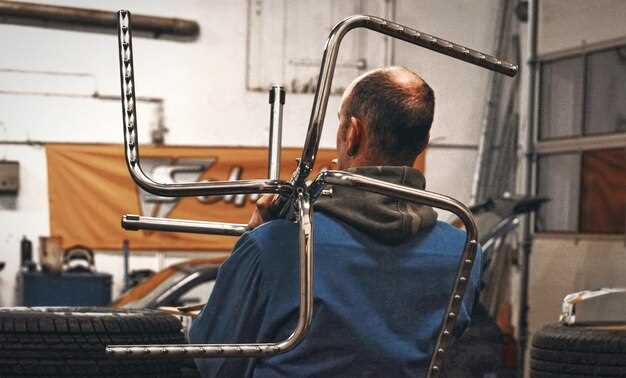
Inspecting the welds of your roll cage is a crucial step in ensuring safety and performance during a race. Welds are the joints that hold the cage together, and any signs of fatigue or failure can compromise the structural integrity of the entire assembly. Regular examination of these critical areas can help prevent accidents and costly repairs.
When examining the welds, look for discoloration, cracks, or any irregularities. Discoloration may indicate overheating, which weakens the weld. Cracks can point to stress or fatigue, while irregularities such as excessive spatter may suggest poor quality. It is essential to assess both the inside and outside of the welds for a comprehensive evaluation.
| Sign | Possible Cause | Recommended Action |
|---|---|---|
| Discoloration | Overheating during welding | Re-evaluate and possibly re-weld |
| Cracks | Stress or fatigue from repeated impacts | Stop using the cage, assess structural integrity |
| Irregularities | Poor welding technique | Consider professional inspection and repair |
Additionally, ensure that the welds penetrate fully into the base material and are consistent in appearance. Any cosmetic defects might indicate deeper issues. Taking the time for thorough inspection and maintenance will provide peace of mind and enhance the overall safety of your racing experience.
Inspect Mounting Points for Secure Attachment
When preparing for a race, thoroughly inspecting the mounting points of your roll cage is crucial for ensuring safety. Secure attachment of the cage to the vehicle’s frame not only enhances overall stability but also significantly mitigates the risk of injury in the event of a rollover or collision.
Begin by examining each mounting point for signs of wear or corrosion. Any degradation at these connections can compromise the integrity of the cage. Additionally, verify that the bolts and fasteners are properly torqued to the manufacturer’s specifications. Loose connections can lead to catastrophic failures during high-impact scenarios.
Ensure that the mounting brackets are correctly aligned and free from any misalignment that could place undue stress on the cage. Misalignment can result in uneven force distribution during an accident, increasing the likelihood of failure. Regular checks and maintenance can prevent these issues, keeping the roll cage securely attached and your safety maximized.
Finally, consider the use of additional reinforcement, such as welding or added supports, to enhance the strength of the attachment points. This can provide extra peace of mind, affirming that your roll cage is equipped to protect you under extreme racing conditions.
Look for Corrosion or Damage on Roll Cage Tubing
Before heading to the track, it is essential to inspect your roll cage tubing thoroughly for any signs of corrosion or damage. The roll cage is a critical component of vehicle safety, designed to protect the driver during accidents by maintaining the structural integrity of the car. Corrosion can weaken the tubing, leading to catastrophic failure in a collision.
Begin your inspection by checking the entire length of the tubing for rust, pitting, or flaking paint. These indicators often suggest that the integrity of the metal has been compromised. Pay particular attention to areas where water may accumulate or where dirt can trap moisture, as these spots are more prone to corrosion.
Next, examine the connections and welds for any signs of fracturing or separation. Welds should appear strong and uniform; any irregularities can signal a serious issue that needs addressing before racing. Look for dents, bends, or creases in the tubing, as these defects can significantly decrease the roll cage’s performance during a crash.
If you identify any corrosion or damage, consider consulting a professional or replacing the affected sections. Never underestimate the importance of a reliable roll cage; your safety and performance on the track depend on it. Regular inspections and maintenance of your roll cage tubing will help ensure that it remains a strong safety component in your vehicle.
Assess Padding and Safety Equipment for Compliance
Prior to every race, it is crucial to evaluate the padding and safety equipment within your roll cage to ensure comprehensive protection and compliance with racing regulations. Here is a structured approach to assessing these critical components:
-
Inspect Padding Condition:
- Check for wear and tear, including cuts, cracks, or compression.
- Ensure padding is intact and securely attached to the cage structure.
- Replace any damaged padding with materials that meet safety standards.
-
Verify Compliance with Regulations:
- Consult the governing body’s rules to ensure all padding meets their specifications.
- Use only approved materials that are designed for roll cage applications.
-
Evaluate Safety Equipment:
- Inspect seat belts and harnesses for fraying, proper functioning, and expiration dates.
- Confirm that helmets fit properly and are free from damage.
- Ensure that fire suppression systems are operational and compliant.
-
Assess Surrounding Areas:
- Check for any sharp edges or protruding components that could compromise safety.
- Ensure easy accessibility to safety equipment during an emergency.
Performing a thorough assessment of your roll cage’s padding and safety equipment not only enhances your safety but also ensures compliance with racing regulations, fostering a secure racing environment.
Review Manufacturer Guidelines for Maintenance Recommendations
Before participating in any race, it is crucial to review the manufacturer guidelines for your roll cage. These guidelines provide essential information for ensuring the safety and integrity of your cage.
Here are some key aspects to focus on when reviewing the maintenance recommendations:
- Inspection Schedule:
- Refer to the manufacturer’s suggested timetable for inspections. Regular checks help detect wear and tear early.
- Note any specific recommendations for pre-race inspections, which may be more exhaustive.
- Cleaning Procedures:
- Manufacturer guidelines often include cleaning protocols to maintain the cage’s durability.
- Use recommended cleaning agents and techniques to prevent corrosion or damage.
- Repair Protocols:
- Follow specified procedures for addressing any issues found during inspections.
- Use only approved materials and methods for repairs to ensure safety standards are maintained.
- Documentation:
- Keep detailed records of all inspections, maintenance, and repairs performed on the roll cage.
- This documentation can be invaluable for future reference and accountability.
Adhering to these recommendations plays a vital role in maintaining the safety and effectiveness of your roll cage. Regularly consulting the manufacturer’s guidelines ensures that your cage offers the protection it was designed to provide, ultimately enhancing your readiness for the race ahead.


