


Understanding how to effectively tune your suspension is crucial for maximizing vehicle performance on different track conditions. The right setup can make the difference between a car that handles predictably and one that feels unpredictable and difficult to control. Each track comes with its own unique challenges, requiring adjustments that cater to its specific characteristics, such as surface texture, elevation changes, and varying degrees of grip.
When approaching suspension tuning, it’s essential to consider the fundamental aspects of your vehicle’s dynamics. This includes adjusting components such as dampers, springs, and anti-roll bars, all of which play a significant role in how the car responds to inputs from the driver and the track. For instance, smoother tracks might benefit from a stiffer setup to improve responsiveness, while rough or bumpy surfaces may necessitate a softer suspension to absorb shocks and maintain traction.
Ultimately, effective suspension tuning is about finding the right balance for the specific conditions you’ll face on the track. By understanding the interactions between different components of your vehicle’s setup, you can optimize your suspension to achieve better handling, improved stability, and enhanced driver confidence, regardless of whether you’re competing on smooth asphalt or challenging gravel.
Understanding Suspension Components and Their Functions
The suspension system of a vehicle plays a critical role in determining its performance on different tracks. A well-tuned suspension setup separates a competitive vehicle from a mediocre one. This section will explore the essential components of a suspension system and their specific functions.
Shocks and Struts are vital components that control the oscillations of the vehicle’s springs. They dampen the movement, ensuring that the wheels maintain contact with the track surface. Different damping settings can be adjusted based on the track’s conditions, allowing for optimal grip and stability.
Springs are responsible for supporting the weight of the vehicle and absorbing impacts from uneven surfaces. They come in various rates, which can be selected based on track requirements. Softer springs are often used for bumpy tracks, while stiffer springs provide better response on smooth circuits.
Anti-roll Bars, or sway bars, help minimize body roll during cornering by connecting the left and right sides of the suspension. Adjusting the stiffness of these bars can significantly affect the car’s handling characteristics, making them crucial for different track layouts.
Control Arms are designed to connect the wheel assembly to the vehicle’s frame, allowing for controlled movement of the wheels. Their geometry influences tire alignment and can be modified for improved cornering performance and stability on varying track conditions.
Camber and Toe Adjustments are crucial for optimizing tire contact with the track. Adjusting camber angles can help improve grip during cornering, while toe settings affect straight-line stability. These adjustments may vary based on the specific characteristics of the track being raced.
In summary, understanding each suspension component and its function is essential for fine-tuning your vehicle’s setup to excel on different tracks. By carefully adjusting these elements, drivers can achieve optimal performance tailored to specific racing conditions.
Adjusting Spring Rates for Optimal Grip
When tuning your suspension for varying track conditions, adjusting spring rates is crucial for maximizing grip. The spring rate determines how much a spring compresses under load and significantly influences vehicle handling dynamics. A correct setup allows the tires to maintain optimal contact with the track surface, enhancing cornering performance and stability.
On a smooth track with minimal imperfections, softer spring rates can be beneficial. They allow the suspension to absorb small bumps, keeping the tires in constant contact with the asphalt. This increases grip, especially during high-speed cornering. However, if the track conditions are bumpy or uneven, stiffer spring rates may be required. A stiffer setup minimizes body roll and prevents excessive weight transfer during hard cornering, thus maximizing tire grip and control.
Moreover, adjusting spring rates should also consider the type of tires used. Soft tires typically benefit from softer springs, which help maintain a larger contact patch, while harder compounds may require stiffer springs to avoid excessive movement. It’s essential to strike a balance that aligns with your vehicle’s overall setup and driving style.
To achieve the best results, conduct thorough testing in various conditions. Make incremental adjustments to the spring rates and analyze the vehicle’s behavior on the track. Pay close attention to how the changes affect grip levels, steering response, and overall handling. This iterative process enables you to fine-tune your suspension for optimal performance and grip on any track surface.
In conclusion, adjusting spring rates is a vital component of tuning your suspension for diverse track conditions. By understanding how different spring rates interact with your vehicle setup, you can ensure enhanced grip, improved handling, and a more competitive edge on the track.
Tuning Dampers for Different Track Surfaces
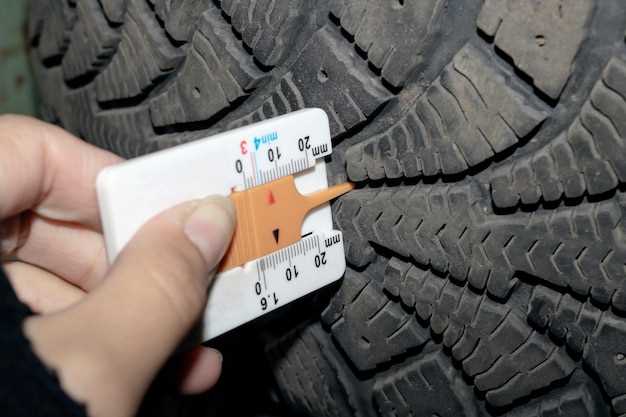
When it comes to optimizing your vehicle’s performance, damper tuning is a crucial aspect that varies significantly with different track surfaces. Proper setup ensures that the suspension system can effectively absorb impacts and maintain tire contact, improving grip and handling.
Here are key considerations when tuning dampers for various track surfaces:
- Asphalt Tracks:
- On smooth asphalt, softer damper settings can improve comfort and traction.
- Adjusting compression and rebound rates is essential to prevent excessive body roll and maintain stability.
- Concrete Tracks:
- Concrete surfaces are typically less forgiving, requiring stiffer settings to manage quick transitions.
- Increased rebound damping can help control the car during high-speed cornering and braking.
- Gravel or Dirt Tracks:
- Softer dampers can aid in absorbing large impacts from uneven terrain.
- Increase compression damping to enhance traction during acceleration.
- Mixed Surface Tracks:
- Utilize adjustable dampers to adapt quickly between different surface conditions.
- Test various setups during practice runs to find the optimal balance between stability and compliance.
Regular testing and adjustments are vital for fine-tuning your damper setup. Track sessions provide valuable feedback; listen to your vehicle’s behavior and make changes as needed. Remember, the goal is not only to enhance speed but also to maintain control and safety on varying track surfaces.
Setting Ride Height for Improved Handling

Setting the appropriate ride height is crucial in suspension tuning, as it directly influences the car’s handling characteristics and overall performance on the track. The ride height refers to the distance between the ground and a specific point on the vehicle’s chassis, typically measured at the wheel arch. Proper adjustments in this area can dramatically enhance the car’s responsiveness, balance, and grip.
The primary objective of adjusting ride height is to optimize the suspension setup for various track conditions. A lower ride height can lower the center of gravity, which generally improves cornering stability and reduces body roll. However, excessively low settings may lead to reduced suspension travel and potential bottoming out, especially over bumps or uneven surfaces.
In contrast, a higher ride height can provide additional suspension travel and improve shock absorption on bumpy tracks, but it may increase body roll and affect traction during high-speed maneuvers. Finding the right compromise is essential for maintaining optimal handling.
Moreover, the ride height affects weight distribution and alignment angles, including camber and caster. These adjustments must be considered when tuning the suspension to ensure that the wheels maintain proper contact with the road surface. Additionally, different vehicles and track conditions may require specific ride height settings, such as adjusting for wet conditions or rough terrain.
Regular testing and data collection are key elements of effective suspension tuning. As drivers experiment with varying ride heights, they should pay attention to how the changes influence the vehicle’s performance and cornering behavior. By fine-tuning ride height in conjunction with other suspension parameters, a driver can achieve an ideal setup tailored to their driving style and track conditions.
Alignment Settings for Specific Track Configurations
When tuning a suspension setup for different track conditions, alignment settings play a crucial role. Adjusting camber, caster, and toe angles can significantly influence a vehicle’s handling characteristics, tire wear, and overall performance. Below are recommended alignment settings based on various track configurations.
| Track Type | Camber (Front/Rear) | Caster (Front) | Toe (Front/Rear) |
|---|---|---|---|
| Road Course | -2.5° / -1.5° | 7° | 0.1° toe-in / 0.05° toe-out |
| Oval | -3.0° / -1.0° | 5° | 0.5° toe-out / 0.0° |
| Drag Strip | -1.0° / -0.5° | 6° | 0.1° toe-in / 0.1° toe-in |
| Rally | -2.0° / -1.0° | 6° | 0.2° toe-out / 0.0° |
| City Circuit | -2.0° / -1.0° | 5° | 0.0° toe / 0.1° toe-in |
These settings provide a baseline for tuning, which can be adjusted further based on driver feedback, tire performance, and specific track conditions. Each alignment setting influences how well a car responds to steering inputs and maintains stability under varying load conditions. A well-tuned setup tailored for each track can enhance a driver’s confidence and improve lap times.
Testing and Fine-Tuning Suspension Adjustments
Testing and fine-tuning suspension adjustments are crucial steps in optimizing vehicle performance on different track conditions. The effectiveness of suspension tuning can dramatically influence handling, stability, and overall lap times. It is essential to conduct systematic tests to evaluate how each adjustment affects the vehicle’s dynamics.
Begin testing by establishing a baseline suspension setup, which serves as a reference point. This setup should reflect general conditions and common track characteristics. After determining the baseline, take the vehicle on the track to observe its performance. Pay attention to how the suspension responds to various elements such as bumps, turns, and weight transfers.
Make gradual adjustments to key suspension components like dampers, springs, and sway bars. For instance, increasing damping stiffness can improve control during fast cornering but may lead to a rougher ride on uneven surfaces. Conversely, softer settings might enhance comfort but can lead to excessive body roll. Each adjustment should be assessed through on-track testing to ensure the desired effect is achieved.
Documenting the results of each testing session is vital. Keep track of lap times, tire wear, and driver feedback. This data will help identify trends and pinpoint which adjustments contribute positively or negatively to performance. Analyze the results critically; sometimes, tuning can yield unexpected outcomes that require further investigation.
It’s also important to consider the influence of external variables such as weather, track temperature, and surface grip. These factors can significantly impact how the suspension behaves, necessitating further fine-tuning to adapt to evolving conditions. Regularly revisit and revise the suspension settings to maintain optimal performance as track conditions change.
Finally, involve collaboration with experienced drivers and engineers. Their insights can provide valuable perspectives on handling characteristics and suspension behavior. Utilize their feedback to refine your adjustments continually, ensuring that your suspension tuning strategy evolves alongside your driving skills and the demands of the track.


