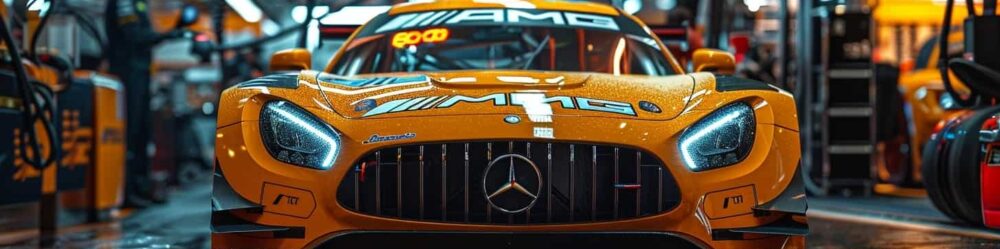


The world of motorsport has always been at the forefront of technological advancements, but the recent integration of AI technologies is revolutionizing the way we approach race engineering. In an environment where every millisecond counts, the cutting-edge capabilities of artificial intelligence are providing engineers with unprecedented tools for enhancing performance and efficiency.
Racing teams are leveraging AI to analyze vast amounts of data generated during races, testing, and practice. This data-driven approach helps in optimizing vehicle design, refining aerodynamics, and improving tire performance, ultimately resulting in faster lap times. Through advanced simulations and predictive algorithms, AI is transforming the engineering landscape, enabling teams to make informed decisions in real-time, all while pushing the boundaries of motorsport innovation.
Furthermore, AI’s role extends beyond just performance enhancements; it is also instrumental in safety improvements. By utilizing machine learning algorithms, race engineers can predict potential failures in vehicle components, allowing teams to address issues before they lead to accidents on the track. This proactive methodology not only benefits drivers but also enhances the overall integrity of the racing experience.
Data-Driven Design: Leveraging AI for Aerodynamic Efficiency
In the realm of motorsport, aerodynamic efficiency is crucial for performance enhancement. The integration of artificial intelligence (AI) into race engineering has sparked a revolution in design methodologies, enabling teams to achieve unprecedented innovation in vehicle aerodynamics.
AI algorithms analyze vast datasets from wind tunnel experiments, telemetry during races, and computational fluid dynamics simulations. This analysis helps engineers identify patterns and correlations that traditional methods might overlook. By leveraging machine learning, teams can predict how changes in design may affect airflow over the car, reducing drag and improving downforce with greater accuracy.
Moreover, AI facilitates rapid prototyping and optimization, allowing race teams to test multiple design variants in a fraction of the time it traditionally takes. This capability not only accelerates the design process but also enables teams to stay competitive by quickly adapting to new regulations or track conditions.
| Advantage | Description |
|---|---|
| Enhanced Simulation | AI accelerates the simulation of airflow, providing deeper insights into aerodynamic properties. |
| Data Analysis | Algorithms can analyze extensive datasets to inform design decisions and identify potential innovations. |
| Rapid Prototyping | A faster design cycle allows teams to iterate on ideas and deploy new concepts quickly. |
| Real-time Adjustments | AI systems can propose real-time adjustments based on in-race data, optimizing performance on the fly. |
The continuous evolution of AI technologies ensures that racing teams can not only keep pace with competitors but also push the boundaries of aerodynamic design. The future of motorsport is increasingly data-driven, with AI standing as a pivotal element in achieving performance excellence.
Predictive Analytics: Enhancing Performance through Real-Time Data Processing

Predictive analytics has become a pivotal component in the realm of racing innovation, leveraging AI capabilities to analyze vast amounts of real-time data. This process allows teams to make informed decisions that significantly enhance vehicle performance and driver strategy during competitions.
By utilizing advanced algorithms, racing engineers can forecast potential outcomes based on historical and current data points. This data includes telemetry from the car, weather conditions, and competitor performance, providing an integrated perspective that was previously unattainable. The AI systems interpret these variables in real-time, enabling teams to adapt their strategies swiftly as the race evolves.
The integration of predictive analytics in racing not only improves decision-making but also optimizes performance by identifying patterns and trends. For instance, data-driven insights can lead to adjustments in tire selection, fuel management, and pit stop timing, all crucial elements that can determine the outcome of a race. Moreover, this innovative approach helps in mitigating risks by assessing the likelihood of mechanical failures or accidents, allowing teams to proactively strategize and enhance safety measures.
As AI continues to evolve, the depth and accuracy of predictive analytics will only improve, ushering in a new era of racing where data-driven strategies dominate. The fusion of technology and motorsport highlights the significance of real-time data processing, setting a standard for future innovations in racing disciplines worldwide.
Machine Learning in Tire Management: Optimizing Grip and Wear
In motorsport, tire management is a critical aspect that can significantly impact performance and race outcomes. The introduction of AI and machine learning innovations has revolutionized the way teams understand and control tire behavior. By leveraging vast amounts of data collected from sensors on the cars, engineers can predict tire grip and wear patterns more accurately than ever before.
Machine learning algorithms analyze historical performance data, environmental conditions, and real-time telemetry, allowing teams to optimize tire choices before and during races. This innovation enables the prediction of tire degradation under varying conditions, helping engineers make informed decisions regarding pit stop strategies. The ability to anticipate grip variations based on tire temperature and surface conditions enhances performance and driver safety.
Furthermore, AI models can simulate different race scenarios, providing insights into how tire performance might change throughout the race. This predictive capability allows for dynamic adjustments to tire pressure and camber settings, maximizing grip while minimizing wear. As a result, teams can extend tire life, creating opportunities for optimal fuel management and competitive advantages over opponents.
Overall, the integration of machine learning in tire management signifies a major leap forward in motorsport innovation, enabling teams to refine their strategies and enhance performance on the track. By optimizing tire grip and wear, motorsport engineers can not only improve race results but also push the boundaries of vehicle performance further than previously imagined.
AI-Powered Simulation: Accelerating the Development Cycle of Race Cars
The integration of AI in motorsport has revolutionized the way teams approach the design and testing of race cars. AI-powered simulation tools enable engineers to model complex physical phenomena accurately, allowing for rapid iterations and informed decision-making throughout the development cycle. This technology streamlines processes such as aerodynamics optimization and performance analysis, significantly reducing the time needed for traditional testing methods.
In racing, achieving optimal performance is crucial. AI algorithms analyze vast datasets generated from previous races and simulations to identify patterns and insights that human engineers might overlook. These insights lead to enhanced designs, allowing teams to optimize components like suspension systems and tire management strategies effectively. With AI, engineers can predict vehicle behavior under varying conditions, enabling simulations that replicate real-world scenarios without the associated costs and risks of on-track testing.
Furthermore, AI facilitates real-time data analysis during race events, providing teams with the tools to make quick adjustments based on current performance metrics. This responsiveness is essential in the competitive landscape of motorsport, where milliseconds can define success. As AI continues to evolve, its role in race car development will likely expand, leading to faster, more efficient innovations that keep teams at the forefront of technology in the racing world.
Driver Performance Analysis: Utilizing AI for Skill Enhancement
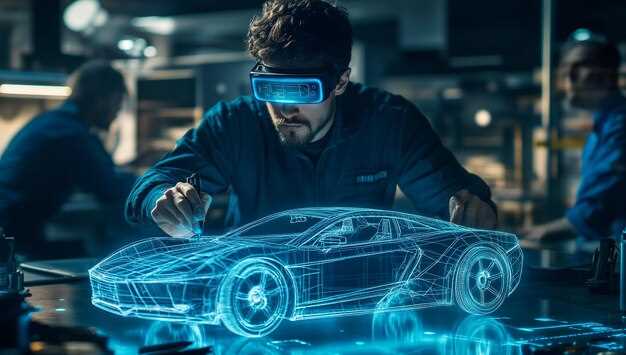
In the rapidly evolving field of motorsport, the integration of artificial intelligence (AI) has transformed driver performance analysis, offering unparalleled opportunities for skill enhancement. AI algorithms process vast amounts of data collected from racing events, enabling teams and drivers to gain insights that were previously inaccessible.
This innovative approach allows for precise measurement of driver behavior, vehicle dynamics, and track conditions. The following are key areas where AI significantly contributes to driver performance analysis:
- Telemetry Data Processing: AI excels at analyzing complex telemetry data, identifying patterns and anomalies that can influence performance. This real-time feedback helps drivers adjust their strategies on the fly.
- Simulation and Predictive Modeling: By creating virtual environments, AI enables drivers to practice under varying conditions. Simulation models predict outcomes based on different driving techniques and strategies, promoting skill refinement.
- Personalized Coaching: Machine learning algorithms can assess individual driver strengths and weaknesses. Coaches can leverage these insights to tailor training programs, focusing on specific areas for improvement.
- Competitive Analysis: AI tools quantify the performance of competitors, allowing drivers to benchmark their skills against others in the field. Understanding rival strategies helps in adapting and enhancing one’s own approach.
- Behavioral Insights: By analyzing the psychological aspects of racing, AI helps drivers manage stress and decision-making during high-pressure situations, leading to improved race day performance.
The impact of AI on racing innovation is profound, as it fosters a culture of continuous improvement. As technology advances, the ability to harness data for driver skill enhancement will only grow, reshaping the future of motorsport. With AI-driven insights, drivers are not only more equipped to succeed, but they also push the boundaries of what is possible in the sport.
AI in Race Strategy: Making Real-Time Tactical Decisions on the Track
In the high-stakes world of motorsport, the ability to adapt quickly is paramount. AI is revolutionizing race strategy by enabling teams to make real-time tactical decisions during racing events. With vast amounts of data collected from practice sessions, qualifying rounds, and previous races, AI algorithms analyze performance metrics and environmental conditions to provide insights that can determine a team’s fate on the track.
During a race, AI systems evaluate variables such as tire wear, fuel levels, and competitor behavior, generating predictions that assist race engineers in making informed decisions. This innovation not only enhances a team’s ability to react to changes in race conditions but also improves long-term strategies throughout the season. For instance, AI can advise on optimal pit stop timings, empowering teams to capitalize on unforeseen scenarios, such as safety car deployments or changing weather patterns.
Furthermore, AI-powered simulations enable teams to run multiple race scenarios in real-time, comparing potential outcomes before making critical choices. This capability allows engineers to refine their strategies based on immediate feedback, thus increasing the likelihood of achieving optimal race performance. As a result, motorsport teams utilizing AI are often at the forefront of innovation, pushing the boundaries of what is possible in racing.
The integration of AI in race strategy underscores a significant shift in motorsport, where technology increasingly influences decisions that were once based solely on human intuition and experience. As teams continue to embrace this advancement, the future of racing promises to be faster, more strategic, and more data-driven than ever before.


