


In the world of motorsport, the right tires can make all the difference between victory and defeat. Street legal race cars demand high performance tires that not only enhance grip and handling but also comply with legal regulations for road use. Performance tires designed for these vehicles are meticulously engineered to provide exceptional traction and responsiveness on both the track and the streets.
The term street legal refers to vehicles that are modified for racing yet retain the necessary specifications to be driven on public roads. Choosing the right set of performance tires is crucial for these cars, as they must excel in various conditions while ensuring safety and reliability. This article explores the top options available in the market, focusing on their unique capabilities and how they meet the demands of high-speed driving.
When considering performance tires, factors such as tread design, rubber composition, and temperature management become paramount. These components influence the overall driving experience, particularly during acceleration, cornering, and braking. Whether you are a seasoned racer or a weekend enthusiast, understanding the importance of performance tires will enhance your driving experience and help you make informed choices for your street legal race car.
Understanding Tire Specifications for Road Use
When selecting the right tires for street legal race cars, understanding tire specifications is crucial. These specifications dictate how tires perform under various conditions, including grip, durability, and handling. For optimal performance on the road, it’s essential to consider factors such as tire type, tread design, and sizing.
Tires are classified into different categories, each suited for specific conditions. Street legal tires must meet regulatory standards, ensuring safety and compliance for road use. Racing tires, while designed for maximum performance on the track, often cannot be used legally on public roads due to their construction and tread patterns.
The tread design of a tire significantly affects its traction on the road. Performance tires typically feature a specialized tread pattern that enhances grip, especially during cornering and braking. Understanding the tread compounds used can also provide insights into a tire’s longevity and performance in various weather conditions.
| Specification | Description |
|---|---|
| Tire Type | Performance, All-Season, or Racing |
| Tread Design | Symmetrical, Asymmetrical, Directional |
| Size | Width, Aspect Ratio, and Rim Diameter |
| Load Index | Maximum weight the tire can support |
| Speed Rating | Maximum speed capability of the tire |
When examining tire size, the numbers on the sidewall provide vital information. For instance, a designation like 225/45ZR17 indicates the width (225 mm), aspect ratio (45%), and diameter of the rim (17 inches). Knowing these specifications helps ensure that the tires fit properly and perform effectively.
The load index relates to how much weight a tire can carry, whereas the speed rating indicates the maximum speed the tire is rated for. Both factors are important for street legality and overall safety during driving.
Choosing the right tires for street legal race cars requires careful consideration of these specifications to ensure compliance with legal standards while maximizing performance and safety on the road.
Key Features of High-Performance Tires

High-performance tires are specifically engineered to enhance driving dynamics and safety on the road. These tires are essential for street legal race cars aiming to maximize performance without sacrificing legality. Here are some key features that define their capabilities:
1. Enhanced Grip: High-performance tires utilize advanced rubber compounds that provide superior traction on both dry and wet surfaces. The optimal grip ensures precise handling, allowing drivers to navigate corners with confidence.
2. Asymmetric Tread Design: Many performance tires feature an asymmetric tread pattern designed to optimize contact with the road. This design minimizes hydroplaning while improving cornering stability, essential for high-speed maneuvers.
3. Improved Heat Resistance: Performance tires are often constructed with specialized materials that withstand higher temperatures. This feature is crucial during intense driving scenarios, as it prevents tire degradation and maintains consistent performance levels throughout the drive.
4. Responsive Steering: High-performance tires are designed to enhance steering feedback. Their unique construction allows for quicker response times, giving drivers a direct connection to the road, which is critical for competitive racing on public streets.
5. Lower Rolling Resistance: These tires are engineered to reduce rolling resistance, which contributes to better fuel efficiency without compromising speed. This balance makes them ideal for both race enthusiasts and everyday driving.
6. Noise Reduction: Advanced design techniques, such as optimized tread pattern and internal construction, help minimize road noise. This feature aids in creating a more comfortable driving experience, making them suitable for street use.
7. Durability: High-performance tires are built to withstand the rigors of competitive driving. Enhanced construction methods increase the lifespan of the tire while maintaining performance consistency under various conditions.
Choosing the right high-performance tire involves understanding these features and how they contribute to both street legality and enhanced driving experience. Making an informed decision can significantly affect overall performance and safety on the road.
Top Brands to Consider for Street Legal Racing
When it comes to street legal racing, choosing the right performance tires is crucial for maximizing your vehicle’s potential. Here are some top brands that stand out in the market for their quality, innovation, and effectiveness on both the street and the track:
- Pirelli: Known for their high-performance tires, Pirelli offers a range of street tires that are engineered for grip and handling. Their P-Zero series is particularly popular among racing enthusiasts.
- Michelin: With a reputation for producing durable and performance-oriented tires, Michelin’s Pilot Sport line is considered an excellent choice for street legal race cars, providing exceptional traction and responsiveness.
- Bridgestone: Bridgestone’s Potenza series is designed for high-performance vehicles. These street tires offer a balance of longevity and performance, making them well-suited for competitive races.
- Continental: Known for their advanced tire technology, Continental’s ExtremeContact line delivers impressive grip and stability, making them ideal for street legal racing conditions.
- Goodyear: The Eagle F1 series features tires that provide excellent performance in both wet and dry conditions. Goodyear is a trusted name for those looking to enhance their racing experience on the street.
- Dunlop: Dunlop’s Sport Maxx series combines innovative tread design with performance capabilities, making it a prime option for racers who need reliable street tires.
Selecting the right brand is essential for achieving optimal performance during races. Each of these brands has unique strengths that cater to different driving styles and conditions. Consider your specific needs and preferences when choosing tires for your street legal race car to ensure a winning performance.
Comparing Tire Options for Different Weather Conditions
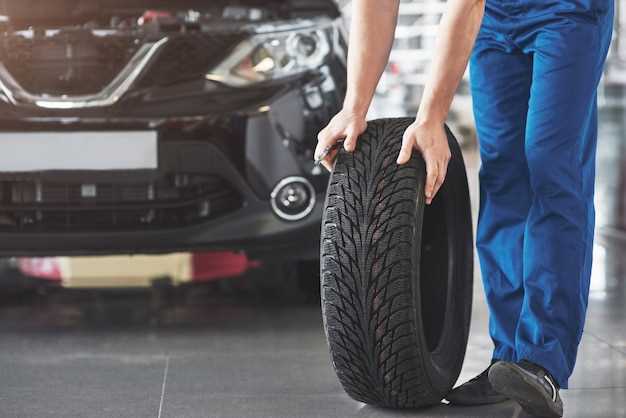
When selecting street legal tires for race cars, it is crucial to consider how different weather conditions impact performance. The right tire can enhance grip, handling, and overall safety regardless of the elements.
In dry conditions, performance tires designed with a softer rubber compound provide excellent traction. These tires feature shallow tread patterns that maximize contact with the road, allowing for swift cornering and improved acceleration. Brands often recommended for such conditions include ultra-high-performance options that prioritize speed and stability.
Conversely, wet conditions demand tires engineered for hydroplaning resistance. Tires suitable for rain usually possess deeper treads and specialized grooves that help channel water away from the contact patch. These features enhance grip on slick surfaces and minimize the risk of losing control. Street legal options in this category often balance performance with safety, ensuring that acceleration and braking remain effective in wet weather.
In colder climates, where temperatures drop significantly, winter tires are essential. These tires incorporate a unique rubber compound that remains flexible in low temperatures, providing better traction on icy or snowy roads. Unlike performance tires designed for warm weather, winter tires have deeper treads and more aggressive patterns to grip on snow and slush.
For variable conditions, all-season tires offer a practical solution. While they may not deliver the same level of performance as specialized tires in extreme weather, all-season options provide adequate capability across a range of situations. They strike a balance, allowing drivers to enjoy a degree of performance for street legal racing without the need for frequent tire changes.
Ultimately, the choice of tire should align with driving habits and local weather patterns. Understanding the strengths and weaknesses of each tire type empowers drivers to select street legal tires that deliver optimal performance in any condition.
Maintaining Performance Tires for Longevity
Performance tires are crucial for optimal handling, speed, and safety in street legal race cars. To ensure they last as long as possible while delivering peak performance, proper maintenance is essential. Here are key practices to extend the life of your performance tires:
- Regular Inspections: Frequently check tires for signs of wear, damage, or irregularities. Look for cracks, bulges, and uneven tread wear.
- Maintain Proper Inflation: Always keep tires inflated to the manufacturer’s recommended pressure. Under-inflation can lead to excessive wear, while over-inflation can reduce traction.
- Rotation: Rotate tires every 5,000 to 8,000 miles, or as recommended by the manufacturer. This helps distribute wear evenly across all tires.
- Alignment and Balancing: Ensure that your car’s alignment and wheel balancing are checked regularly. Misalignment can cause uneven tire wear, reducing their lifespan.
- Cleaning: Clean tires regularly to remove dirt, debris, and brake dust. Use appropriate cleaners that do not damage the rubber compound.
- Driving Habits: Avoid aggressive driving techniques such as hard cornering, rapid acceleration, and sudden braking. These practices can accelerate tire wear.
By following these maintenance tips, you can prolong the life of your performance tires, ensuring they remain effective and legal for street use in your race car.
Regulations and Compliance for Street Legal Tires
When selecting performance tires for street legal race cars, adherence to local and national regulations is crucial. Street legal tires must meet specific standards established by governing bodies to ensure safety and legality on public roads. Understanding these regulations enables drivers to choose tires that not only enhance performance but also comply with the law.
One of the primary considerations for street legal tires is the tread pattern. Tires must possess a minimum tread depth to provide adequate traction and prevent hydroplaning. Many regions impose legal requirements regarding tread wear indicators, which signal when tires should be replaced. Additionally, the design of the tire must prevent excessive noise and vibration, ensuring a comfortable driving experience that adheres to local noise ordinances.
Moreover, performance tires must be labeled appropriately, displaying information such as the tire’s load index and speed rating. These markings inform consumers about the tire’s capabilities and limitations, further reinforcing compliance with safety standards. Tires lacking proper labeling may be deemed illegal for street use, regardless of their performance characteristics.
Another crucial factor is the material composition. Street legal tires must utilize materials that meet environmental regulations, reducing pollutants and ensuring durability. Some jurisdictions also enforce restrictions on tire performance modifications, which could affect legality. It is essential for drivers to verify that their tire choices align with these regulations to maintain compliance and performance on the track and road alike.
In summary, selecting performance tires for street legal race cars involves navigating a landscape of regulations designed to ensure safety, environmental protection, and legality. By understanding and adhering to these regulations, drivers can fully optimize their vehicles while remaining within the bounds of the law.


