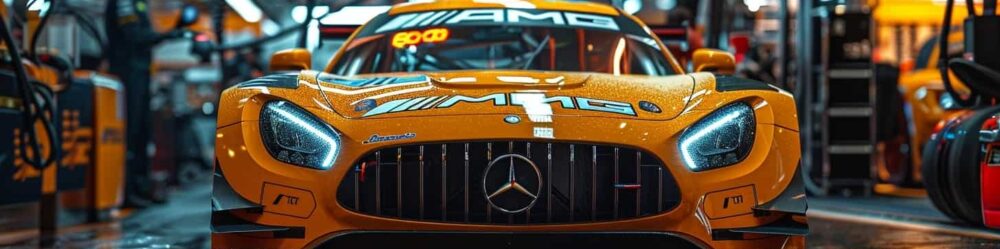

The world of motorsport is undergoing a significant transformation, with electric vehicles (EVs) at the forefront of this shift. As racing circuits around the globe embrace sustainable technology, the introduction of electric race cars is not only redefining the concept of speed but also challenging traditional perceptions of performance. These innovative machines are proving that electric power can deliver not only competitiveness but also excitement on par with their gasoline-powered counterparts.
Advancements in battery technology and electric propulsion have paved the way for a new generation of racing, where speed and efficiency coexist. Events like Formula E have captured the imagination of fans, showcasing the thrilling potential of electric racing. The challenge for engineers and teams is to maximize performance while adhering to environmental standards, creating a unique synergy between innovation and sustainability.
As manufacturers invest heavily in electric racing formats, the influence of these developments is rippling through the entire automotive industry. The shift to electric racing not only promotes eco-friendly practices but also accelerates the evolution of technology that will benefit road cars in the future. In this article, we will explore how electric race cars are driving change in motorsport and reshaping the sporting landscape for generations to come.
How Electric Vehicles Are Redefining Competitive Racing
The rise of electric vehicles (EVs) is transforming competitive racing, introducing a new era that focuses on sustainability, innovation, and performance. Traditional racing formats are being challenged as the motorsport industry adapts to the growing presence of electric cars.
- Sustainability: One of the most significant shifts brought by electric cars is the emphasis on eco-friendliness. Racing series like Formula E showcase how electric vehicles can compete at high levels while reducing carbon footprints.
- Technology Advancements: Electric vehicles are at the forefront of automotive innovation. The integration of cutting-edge technologies in EVs enhances performance through improved battery efficiency, regenerative braking, and advanced aerodynamics.
- New Strategies: The nature of racing is changing with electric cars. Drivers must master energy management to optimize their performance throughout the race, leading to new tactical approaches in overtaking and pit strategies.
Many motorsport organizations are recognizing the value of incorporating electric vehicles into their events. For instance, the introduction of electric categories in traditionally gas-powered races not only attracts new fans but also encourages manufacturers to invest in electric technology.
- Increased Competition: As more teams develop electric cars, the competitive landscape is expanding. This influx leads to exciting races where multiple manufacturers vie for victory, pushing the boundaries of EV capabilities.
- Fan Engagement: Electric racing effectively engages a younger audience passionate about sustainability and technology. This demographic shift is crucial for the survival and growth of motorsport.
In conclusion, electric vehicles are not just an alternative to traditional racing; they are redefining the competition itself. As racing evolves, electric cars will continue to play a vital role in shaping the future of motorsport.
Key Technological Innovations in EV Racing
Electric vehicles (EVs) have transformed the landscape of motorsport, bringing about significant advancements in technology. These innovations not only enhance performance but also promote sustainability within racing disciplines.
- Battery Technology: The development of high-capacity lithium-ion batteries has allowed electric race cars to achieve greater ranges and faster charging times. Innovations in solid-state batteries are also on the horizon, promising even higher energy densities and improved safety.
- Powertrain Efficiency: Advanced electric powertrains are designed for optimal performance, combining high-torque electric motors with sophisticated drivetrain layouts. Regenerative braking systems help recapture energy during deceleration, further increasing efficiency.
- Aerodynamics: EV racing has seen a focus on aerodynamic designs to reduce drag and enhance stability at high speeds. Lightweight materials such as carbon fiber are commonly used to maximize speed and handling.
- Telematics and Data Analytics: Real-time data collection and analysis play a crucial role in EV racing. Teams utilize telemetry systems to monitor vehicle performance and make real-time adjustments for improving lap times.
- Simulation and Virtual Racing: The use of advanced simulation tools allows teams to test various configurations and strategies before hitting the track. This technology helps optimize car setups and driver performance in a virtual environment.
As the popularity of electric race cars grows, these technological innovations will continue to drive change in motorsport, paving the way for a more sustainable future.
Environmental Impact of Electric Motorsport Events
Electric motorsport events, such as Formula E and Electric GT, are transforming the landscape of automobile racing by promoting sustainability and reducing carbon footprints. These events utilize electric vehicles (EVs), which generate no tailpipe emissions during operation, significantly lowering air pollution compared to traditional racing formats. The shift to electric cars in motorsport not only showcases advanced technology but also highlights the potential for a cleaner future in the broader automotive industry.
One significant environmental benefit of electric motorsport is the reduction in noise pollution. Electric vehicles operate much quieter than their petrol or diesel counterparts, minimizing the acoustic impact on local communities and wildlife. This quiet operation allows for hosting races in urban areas, bringing motorsport closer to fans while decreasing disturbance.
Additionally, electric motorsport leverages regenerative braking systems, which enhance energy efficiency and maximize the use of battery power. Teams and manufacturers are encouraged to innovate in EV technology, resulting in improved battery management systems and enhanced performance capabilities. This research and development have the potential to spill over into consumer EVs, promoting energy-efficient technologies in everyday transportation.
| Environmental Aspect | Impact of Electric Motorsport |
|---|---|
| Emissions | Zero tailpipe emissions from electric cars |
| Noise Pollution | Reduced noise levels improve community relations |
| Energy Efficiency | Advanced regenerative braking systems |
| Innovation | Encourages R&D in EV technology |
| Public Awareness | Increases visibility of electric vehicles and sustainability |
Moreover, hosting electric motorsport events can serve as a platform for environmental awareness campaigns. By engaging with fans and spectators, organizers can promote the benefits of electric cars and sustainable practices. Such initiatives can drive public interest in EV technology and encourage a shift toward environmentally friendly transportation solutions.
In conclusion, the environmental impact of electric motorsport events is profoundly positive. Through reduced emissions, lower noise pollution, increased energy efficiency, and the promotion of innovation, electric racing is not only changing the motorsport arena but also paving the way for a greener automotive future.
Challenges Facing the Adoption of Electric Race Cars
The transition to electric vehicles (EVs) in motorsport presents several significant challenges. One of the primary issues is the battery technology. Current battery systems often struggle with energy density and weight, affecting the performance and range of electric race cars. Many teams require batteries that not only provide sufficient power but also maintain efficiency over long races.
Another challenge is the existing infrastructure. Racing circuits and venues typically lack adequate charging facilities, making it difficult for teams to manage the recharging of their electric cars during events. This limitation can hinder race strategies and overall race day logistics.
There is also resistance from traditional motorsport enthusiasts and stakeholders who may be apprehensive about the cultural shift from gasoline-powered vehicles to electric models. The sound and excitement associated with combustion engines are deeply ingrained in racing culture, and EVs may not provide the same sensory experience for fans.
Moreover, manufacturers face significant investment costs in developing competitive electric race cars. The expenses associated with research, development, and production processes can deter teams from making the jump to electric racing, particularly if they are uncertain about the return on investment.
Finally, regulatory challenges present hurdles as well. The motorsport governing bodies need to create clear and effective regulations that can support the integration of electric race cars without compromising the competitiveness and safety of the sport. Balancing sustainability with performance goals remains an ongoing negotiation within the industry.
Fan Engagement and Electric Racing: A New Era
The rise of electric vehicles (EVs) in motorsport signifies a transformative shift, not only in technology but also in fan engagement. Traditional combustion engine racing established a rich culture of motorsport fandom, but electric racing brings unique opportunities to connect with a diverse audience.
Interactivity has become a cornerstone of electric racing events, allowing fans to engage with their favorite drivers and teams like never before. Technology such as augmented reality (AR) and virtual reality (VR) enhances the spectator experience, providing immersive insights into the performance and strategy of electric cars during races. Fans can access real-time data on vehicle performance, track conditions, and battery management, fostering a deeper understanding and appreciation of EV capabilities.
Moreover, electric racing has captured the attention of younger demographics who prioritize sustainability and eco-friendliness. This group is more likely to relate to the themes of innovation and environmental consciousness that encapsulate electric racing. Organizers have capitalized on this shift by promoting educational initiatives and interactive experiences at events, bridging the gap between racing and environmental advocacy.
Social media engagement plays a vital role in this new era. Channels such as Instagram, TikTok, and Twitter have become platforms for electric racing teams to build brand loyalty and community. Fans can directly participate in discussions, share their experiences, and even influence decisions through polls and feedback, making them an integral part of the sporting experience.
The commitment to eco-friendly practices within electric racing also resonates with fans who advocate for sustainability. Initiatives like carbon-neutral racing and partnerships with environmental organizations enhance the sport’s appeal and create a shared sense of purpose among fans and teams.
As electric cars continue to redefine what is possible in motorsport, fan engagement will remain pivotal in shaping the future of racing. The integration of advanced technology, coupled with a strong emphasis on sustainability, sets the stage for a vibrant fan culture that celebrates the exhilarating world of electric racing.
Future Trends in Electric Vehicle Racing Championships
The future of electric vehicle (EV) racing is rapidly evolving, driven by technological advancements and an increasing focus on sustainability. As manufacturers invest heavily in the development of high-performance electric cars, racing championships are likely to see significant enhancements in speed, efficiency, and sustainability.
One of the most notable trends is the integration of advanced battery technology. New chemistries and energy storage systems promise to extend race duration while reducing charging times, allowing for more dynamic and competitive events. The use of solid-state batteries could become a game-changer, enhancing power density and improving safety.
Moreover, the incorporation of artificial intelligence (AI) and machine learning in race strategy and vehicle performance optimization is expected to rise. Teams can analyze vast amounts of data in real-time to enhance decision-making on the track, providing a strategic edge in races. This technological integration will likely create more engaging and unpredictable racing experiences.
Sustainability will continue to be a pivotal aspect of EV racing. Championships are expected to implement stricter environmental standards, pushing teams to innovate in terms of materials and practices. The use of biodegradable products and a focus on renewable energy sources for charging could become standard in race operations.
Furthermore, the popularity of electric racing is anticipated to increase fan engagement. Interactive technologies, such as virtual reality, will offer viewers immersive experiences, allowing them to participate in a way that enhances their connection with the sport. Social media platforms will play a crucial role in promoting events, drawing a younger demographic to electric racing.
In addition, the rise of grassroots electric racing championships could democratize the sport, providing opportunities for local teams and individual enthusiasts. This trend would not only create a diverse array of competitions but also promote innovation at various levels, as new talents and ideas emerge from the community.
Lastly, as more manufacturers join the EV racing scene, collaborations between automotive companies and tech firms are likely to grow, fostering innovation and creating opportunities for knowledge transfer. This synergy could lead to breakthroughs that benefit both motorsport and consumer electric vehicles, thus driving the overall EV market forward.


