

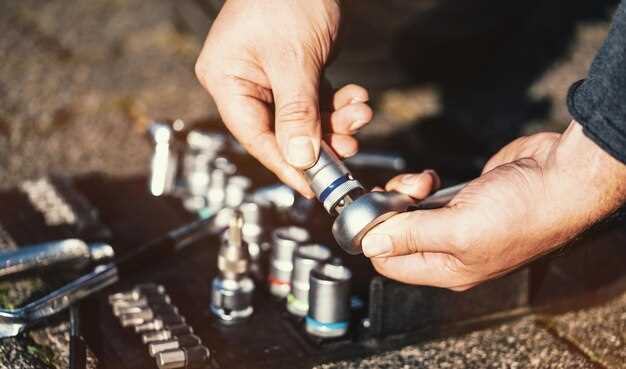
Effective care and maintenance of your racing tools and equipment are crucial for maximizing performance on the track. Racing demands precision, speed, and reliability, making it essential to prep your tools meticulously before every event. A well-maintained tool not only ensures your safety but also enhances your overall racing experience.
To achieve optimal results, it is imperative to establish a routine for inspecting, cleaning, and storing your racing equipment. Regular maintenance can help identify potential issues before they escalate, allowing you to address them proactively. A reliable set of tools can significantly improve your efficiency during both practice sessions and competitive races.
Understanding the specific needs of each tool is vital in the care process. Different materials and construction methods necessitate various cleaning agents and techniques. By investing time in the proper maintenance of your racing tools, you ensure they remain in peak condition, ready to perform when it matters most.
Cleaning Techniques for Racing Tools
Maintaining the performance of your racing tools is crucial for any racing enthusiast. Proper cleaning techniques not only ensure the longevity of your equipment but also enhance its effectiveness during a race. Here are several effective methods to keep your tools in top condition.
First, always begin with a thorough prep process. Before cleaning, gather all necessary supplies, including brushes, rags, and suitable cleaning solutions. For metal tools, a degreaser can effectively break down oil and residue from previous races. Apply the degreaser and allow it to sit for a few minutes to loosen stubborn grime.
Next, use a stiff brush to scrub the surfaces of your tools. Pay close attention to crevices and joints where dirt tends to accumulate. For sensitive areas, consider using a soft-bristle brush to prevent damage while still achieving a deep clean. After scrubbing, rinse the tools with clean water to remove any remaining cleaning agents.
For tools that are particularly dirty or heavily used, a soak in a solution of warm water and dish soap may be beneficial. Allow the tools to soak for approximately 15-30 minutes. This method is effective in removing built-up grime and makes the subsequent cleaning process much easier.
After rinsing, dry each tool thoroughly with a lint-free cloth. Moisture can lead to rust and degradation, especially for metal components. Once dry, consider applying a thin layer of protective oil to metal surfaces to create a barrier against moisture and dirt during your next race.
Finally, organize your cleaned tools in a designated storage area. Proper storage not only keeps your equipment safe but also streamlined for quick access during races. Implementing these cleaning techniques will ensure your racing tools remain reliable and efficient, allowing you to focus on achieving your racing goals.
Inspecting Equipment for Wear and Damage
Regular inspection of your racing tools and equipment is essential for ensuring optimal performance and safety. Any signs of wear and damage can significantly impact race preparation and overall race success. Below are key steps and tips for effectively inspecting your racing equipment.
- Visual Inspection: Begin with a thorough visual check of all equipment. Look for cracks, breaks, or deformities. Pay close attention to high-stress areas where wear is most likely to occur.
- Check Moving Parts: Look for any signs of stiffness, irregular sounds, or unusual behavior in moving components. Lubricate or replace parts as necessary to ensure smooth operation.
- Assess Tool Condition: Ensure that tools are not only functioning but also that their structural integrity remains intact. Dull blades, worn grips, or misaligned pieces can hinder performance.
It is advisable to follow a structured inspection schedule before each race:
- Daily Prep: Inspect all tools daily during race prep to address any issues before they become problematic on race day.
- Monthly Checks: Schedule in-depth reviews monthly to identify any gradual wear that might not be visible during daily inspections.
- After Each Race: Conduct a post-race audit to evaluate how the racing environment has impacted your tools and equipment.
Taking the time to inspect your racing tools and equipment for wear and damage can greatly reduce the risk of failure during a race. Prioritizing this aspect of maintenance is crucial for any serious racer aiming for success on the track.
Proper Tool Storage Solutions
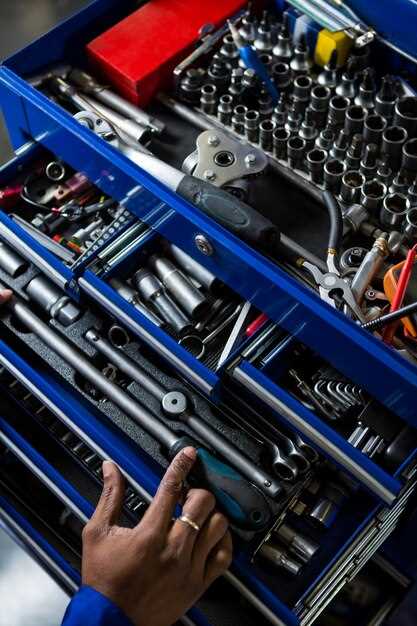
Maintaining your racing tools in optimal condition requires not just regular care, but also efficient storage solutions. An organized workspace minimizes damage and prolongs the life of your tools. The first step is to invest in quality storage options that accommodate various tool sizes and types.
Utilize tool chests with multiple drawers, ensuring each tool has its designated space. Magnetic strips can hold metal tools securely, while pegboards allow for easy visibility and accessibility. For smaller items like screws and nuts, stackable bins or organizers help prevent loss and clutter.
Climate control is essential; storing tools in a damp environment can lead to rust and deterioration. A temperature-controlled space or dehumidifier is recommended to maintain a suitable climate. Additionally, consider labeled containers to quickly identify tools needed for specific racing tasks.
Regular inventory checks can ensure that all tools are accounted for and in good working condition. This practice allows you to address any maintenance needs promptly, reinforcing the care required for your racing tools. By implementing these storage solutions, you not only protect your tools but also enhance your overall racing efficiency.
Race Day Preparation Checklist
Preparing for race day is essential for optimal performance and ensuring that your tools and equipment are in top condition. This checklist will help you stay organized and ensure that you have everything you need for a successful race.
| Item | Action |
|---|---|
| Race Gear | Check that your racing suit, helmet, gloves, and shoes are clean and ready for use. |
| Race Vehicle | Inspect your vehicle for any mechanical issues, ensure tire pressure is optimal, and fluid levels are sufficient. |
| Tools | Pack essential tools for quick adjustments and repairs during the race. |
| Fuel | Fill up your vehicle’s tank and have extra fuel on hand if allowed. |
| Race Strategy | Review your race plan, including pacing, pit stops, and any other tactics. |
| Nutrition | Prepare healthy snacks and hydration options to keep your energy up throughout the race. |
| Emergency Kit | Ensure your emergency kit is stocked with first aid supplies and any necessary tools. |
| Weather Check | Stay updated on weather conditions and adjust your prep accordingly. |
| Warm-Up Routine | Plan a warm-up routine to prepare yourself mentally and physically before the race. |
Following this checklist can help you ensure that you are fully prepared, allowing you to focus on your performance on the race day. Proper care and maintenance of both yourself and your equipment will contribute significantly to your success on the track.
Lubrication and Maintenance Schedules
Proper care of your racing tools and equipment is essential for ensuring optimal performance and longevity. One crucial aspect of this is establishing a lubrication and maintenance schedule. Regularly scheduled maintenance not only enhances the functionality of your tools but also prevents costly repairs in the long run.
Begin by assessing each tool in your collection. Create a maintenance journal detailing each item, specifying the type of lubricant required, and the frequency of application. Common tools like wrenches, screwdrivers, and saws all have different lubrication needs. For instance, pivot points and moving parts often require grease, while precision instruments might need oil for smooth operation.
To effectively prep your tools, clean them before applying any lubricant. Remove dust, dirt, and debris that can hinder performance. After cleaning, apply the lubricant according to the manufacturer’s recommendations. This not only ensures adequate coverage but also helps avoid over-lubrication, which can attract more grime.
It’s advisable to set a schedule based on usage. For tools used frequently, consider a weekly check-in, while less frequently used items might only need attention on a monthly basis. Additionally, after a race or heavy use, perform a quick inspection and lubrication to maintain peak condition.
Incorporating these practices into your routine will significantly enhance the reliability of your racing equipment. Remember, a well-maintained tool is not just a more effective tool; it is also a safer tool.
Upgrading Tools for Optimal Performance
To achieve the best results during races, having the right tools is essential. Upgrading your racing equipment should focus on performance enhancement. Consider assessing the tools currently in use and determining which elements need replacement or enhancement.
When prepping for a race, prioritize tools that offer maximum efficiency and reliability. Look for equipment that has been crafted from lightweight, durable materials. This can significantly reduce strain on both the equipment and the racer. Enhanced materials often lead to better performance under race conditions.
Another critical aspect of tool upgrades is the integration of the latest technology. Many modern racing tools feature advanced designs that improve aerodynamics and reduce drag. Investing in updated components not only optimizes speed but also enhances overall racing experience.
Regular care and maintenance are vital to ensure that upgraded tools perform at their peak. Consider implementing a routine inspection routine to identify any wear and tear. Proper care not only prolongs the lifespan of your tools but also ensures they consistently deliver optimal performance on race day.
Lastly, don’t overlook the importance of seeking advice from fellow racers or professionals about the latest tools on the market. Staying updated on innovative solutions can provide valuable insights for making informed upgrades that yield significant improvements during races.


