


In the dynamic world of motorsports, the thrill of speed and precision is only matched by the teamwork that fuels each race. For those looking to build a career in this fast-paced industry, volunteering with racing teams can be an invaluable stepping stone. Engaging as a crew member not only provides hands-on experience but also deepens your understanding of the intricate operations that occur in the pit before, during, and after each event.
Volunteering offers a unique opportunity to immerse oneself in the culture of motorsports. Crew positions, whether in tire changes, fuel refills, or strategic communication, allow enthusiasts to learn from seasoned professionals. The relationships forged during this time often lead to networking opportunities that can significantly impact your future career in the industry. By contributing your skills and passion, you can become a vital part of a racing team’s success.
Whether you’re a seasoned motorsport aficionado or just beginning your journey, seizing these volunteering opportunities enables you to gain practical knowledge and experience that is critical for any aspiring professional. The rigorous environment of the pit teaches quick thinking, teamwork, and attention to detail, all of which are essential traits for a long-lasting career in motorsports.
How to Find Volunteer Roles in Motorsports
Finding volunteer roles in motorsports can be an exciting avenue for anyone looking to build a career in the racing industry. Engaging with various racing teams gives you hands-on experience and opens doors for future opportunities in this dynamic field. Here are some effective strategies to help you locate volunteer positions:
| Method | Description |
|---|---|
| Online Platforms | Use websites dedicated to motorsports or general volunteer opportunities. Platforms like MotorsportJobs.com or local racing associations often list crew positions. |
| Networking | Attend motorsports events, races, and seminars to meet professionals in the industry. Building relationships with team members increases your chances of finding volunteer roles. |
| Social Media | Join motorsports groups on platforms like Facebook and LinkedIn. Teams often post openings for volunteers, making social media a valuable resource. |
| University Connections | If you’re a student, connect with your college’s motorsports club. Many universities have partnerships with racing teams for volunteer opportunities. |
| Direct Contact | Research racing teams you’re interested in and reach out directly via email or phone. Express your interest in volunteering and inquire about available positions. |
Regardless of the method you choose, ensure that your resume highlights any relevant skills or experiences. Being proactive, enthusiastic, and flexible will significantly enhance your chances of landing a rewarding volunteer role in motorsports.
Skills Required for Pit Crew Positions
Working as part of a pit crew is an exciting opportunity for those interested in a career in racing. To excel in this high-pressure environment, individuals need to possess a unique set of skills that enhance teamwork and efficiency during races.
Mechanical Knowledge: A solid understanding of automotive mechanics is crucial. Crew members should be familiar with the car’s systems, including the engine, tires, and fuel management. This knowledge allows them to troubleshoot issues quickly and effectively.
Speed and Precision: Pit stops are time-sensitive, requiring crew members to perform tasks with exceptional speed and accuracy. This includes tire changes, refueling, and minor adjustments, all of which must be executed flawlessly within seconds.
Teamwork and Communication: Strong interpersonal skills are essential. Crew members must communicate clearly and work in sync with each other to ensure smooth operations. Effective communication reduces the risk of mistakes and enhances overall performance.
Physical Fitness: The role demands physical stamina and strength, as crew members often work under demanding conditions. Quick movements and the ability to lift heavy equipment are routine, contributing to the team’s success.
Ability to Work Under Pressure: Racing environments are stressful, especially during competitive events. Pit crew members must maintain focus and composure, handling high-stakes situations without losing their efficiency.
In summary, aspiring pit crew members must develop a blend of technical, physical, and interpersonal skills. Mastering these abilities is vital for those looking to build a successful career in this demanding yet rewarding aspect of the racing industry.
Training Programs for Aspiring Motorsports Technicians
Entering the world of motorsports as a technician offers exciting career opportunities for those passionate about racing and technology. To succeed in this competitive field, aspiring technicians can benefit from a variety of training programs that equip them with essential skills and knowledge.
These programs typically encompass theoretical learning and practical experience, focusing on various aspects of motorsports, including:
- Engine performance and tuning
- Chassis setup and optimization
- Electronics and telemetry systems
- Race strategy and pit crew dynamics
Many educational institutions and automotive schools offer specialized courses tailored specifically for motorsports enthusiasts. Some key elements of these training programs include:
- Hands-On Experience: Participants often work directly in pit crews during live events, allowing them to apply their skills in real-time scenarios.
- Industry Partnerships: Many programs collaborate with professional racing teams, providing networking opportunities and internships that can lead to future employment.
- Certification: Completing a recognized training program can enhance job prospects, as it demonstrates a commitment to the profession and familiarity with industry standards.
- Curriculum Content: Courses may cover advanced vehicle dynamics, data analysis, and the latest technologies in motorsports, ensuring trainees are well-prepared for modern challenges.
As the demand for skilled technicians in the motorsports industry continues to grow, investing in quality training programs is essential for those looking to build a successful career in this thrilling field. With dedication and proper education, aspiring motorsports technicians can find rewarding roles both in the pit and beyond.
Networking Tips for Racing Team Volunteers

Networking is essential for anyone looking to advance their career in the racing industry, especially for volunteers involved with racing teams. Engaging effectively with professionals can open doors and create opportunities that may not be immediately visible. Here are some crucial tips to enhance your networking skills while volunteering.
First, immerse yourself in the pit environment. The pit crew is where the action happens, and it’s crucial to establish relationships with team members. Take the initiative to introduce yourself, ask questions, and offer assistance. A proactive approach shows your commitment and enthusiasm, making a lasting impression on team leaders and seasoned professionals.
Attend racing events, both on and off the track. Participating in industry-related activities provides avenues to meet people who can influence your career trajectory. Engage in conversations with fellow volunteers, team principals, and sponsors to exchange contact information. Remember to follow up after the event to solidify these connections.
Online platforms such as LinkedIn offer excellent opportunities to build your professional network. Create a robust profile that highlights your volunteering experiences, including specific roles within the crew. Connecting with industry professionals and joining relevant groups can lead to insightful discussions and potential job openings.
Don’t underestimate the power of mentorship. Seek out experienced crew members willing to share their knowledge and guidance. A mentor can provide invaluable advice and introduce you to influential contacts within the racing community, enhancing your professional development.
Lastly, be genuine in your interactions. Building trust and rapport is key to successful networking. Listen actively, show appreciation, and contribute positively to conversations. A strong network is built on mutual respect and support, which can significantly impact your career in the racing world.
Understanding the Dynamics of a Pit Crew During Races
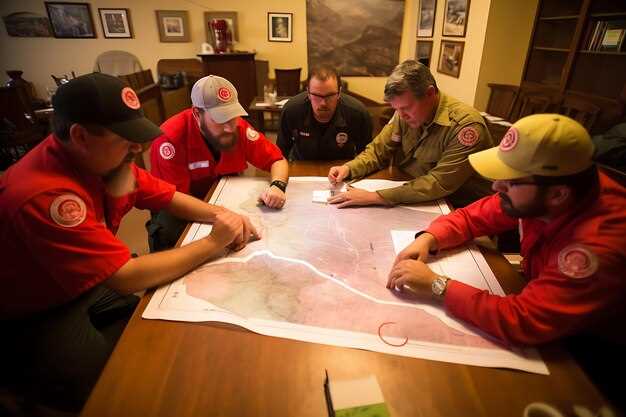
In the world of motorsports, the effectiveness of a pit crew can significantly influence a team’s performance during a race. These highly trained individuals work in unison to execute a variety of critical tasks that are crucial for a successful race day. Each member of the pit crew has a specific role, and their seamless coordination is what allows a car to return to the track as quickly as possible.
The dynamics of a pit crew are built on trust, communication, and precision. When a car pulls into the pit, every second counts. The tire changers, fuelers, and mechanics must operate like a well-oiled machine. Each member must be skilled in their respective tasks, yet flexible enough to adapt to the ever-changing demands of a race environment.
A pivotal aspect of their function is the pre-race preparation and strategy discussions. Before the race begins, the pit crew analyzes data, discusses potential tire strategies, and reviews their roles. This preparation helps to minimize mistakes during the actual pit stops, which can make or break a race.
Careers in motorsports pit crews can be highly rewarding but also come with immense pressure. Crew members often start in entry-level positions and work their way up, gaining experience and building on their skills. As they progress, they not only improve their technical abilities but also enhance their understanding of race dynamics and teamwork.
In conclusion, the pit crew is the unsung hero of any racing team. Their ability to execute complex tasks quickly and efficiently plays a vital role in a team’s overall success. Aspiring individuals interested in a career in motorsports must recognize the importance of teamwork and effective communication within this high-stakes environment.
Career Advancement Paths in Motorsports
In the dynamic field of motorsports, career advancement opportunities for crew members are diverse and promising. Starting as a volunteer or entry-level crew member provides valuable hands-on experience, which is essential for anyone aspiring to build a career in this industry. Many professionals begin their journey in roles such as tire changers, fuelers, or mechanics, gaining foundational knowledge of race operations.
As crew members develop their skills and establish relationships within the team, opportunities for advancement arise. Promotions may include roles such as crew chief or engineer, where individuals take on greater responsibilities related to vehicle performance and race strategy. In addition to technical skills, leadership abilities become increasingly important as team dynamics and communication play critical roles in a successful racing environment.
Networking within the motorsports community can also open doors to career progression. Attending industry events, engaging in online forums, and building connections with other professionals can lead to job offers or joint ventures in more specialized areas, including data analysis, marketing, or sponsorship management. Continuous education and certification in relevant areas, such as racecar technology or management, can further enhance career prospects.
Ultimately, the journey in motorsports is fueled by passion, dedication, and a willingness to learn. By embracing volunteer roles and seeking continual growth, individuals can carve out meaningful and rewarding careers within this exhilarating industry.


