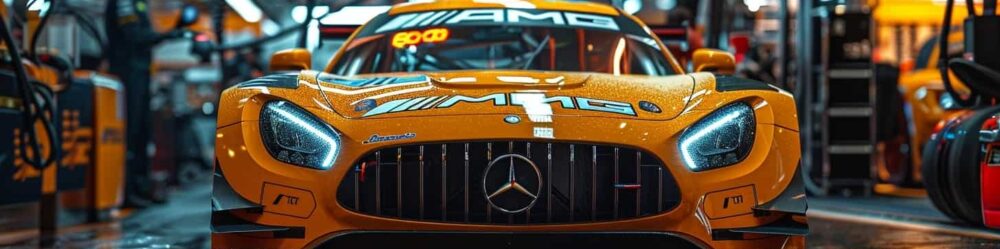


The motorsport industry has long been a crucible for technological innovation, with teams constantly pushing the limits of performance and efficiency. In recent years, the integration of hybrid powertrains has emerged as a pivotal shift in the racing arena. As teams explore new tech solutions to enhance speed while addressing environmental concerns, hybrid systems are poised to redefine the landscape of motorsport in the coming decades.
Hybrid powertrains, which combine traditional internal combustion engines with electric propulsion, offer numerous advantages that align with the evolving demands of racing. These systems not only enhance overall power and torque but also improve fuel efficiency and reduce emissions. As motorsport moves towards a more sustainable model, the proliferation of hybrid technology is expected to be a game-changer, elevating the competitiveness of the sport while showcasing a commitment to ecological responsibility.
The racing world is increasingly recognizing the potential of hybrid engines to not only boost performance but also to set a precedent for the automotive industry. As teams invest in advanced tech, the learning curve associated with hybrid systems can lead to innovations that trickle down to consumer vehicles. Therefore, the future of hybrid powertrains in motorsport is not just about winning races; it is also about driving forward the evolution of cars that are cleaner, faster, and more efficient.
Technological Innovations in Hybrid Racing Systems
Hybrid racing systems represent a significant evolution in motorsport technology, combining traditional internal combustion engines with electric powertrains to enhance performance and efficiency. These innovations aim to create a sustainable racing environment while maintaining competitive speed and power outputs.
One of the key advancements in hybrid racing tech is the development of advanced energy recovery systems (ERS). These systems capture kinetic energy generated during braking and convert it into electrical energy, which can be stored and used to boost acceleration. This not only improves lap times but also contributes to reduced fuel consumption.
Another significant innovation is the implementation of lightweight battery technology. The use of high-density lithium-ion batteries enables hybrid vehicles to achieve a better power-to-weight ratio. These batteries are specifically designed for fast charging and discharging cycles, ensuring that racers can quickly replenish energy during dynamic race conditions.
Moreover, the integration of smart energy management systems plays a crucial role in hybrid racing. These systems analyze real-time data from various sensors, allowing teams to optimize energy usage based on track conditions, driver behavior, and race strategy. This adaptive approach maximizes the efficiency of both the electric and combustion components of the hybrid system.
Furthermore, advancements in aerodynamics are also influenced by hybrid technology. Engineers now design race cars with features specifically aimed at reducing drag and improving energy efficiency. Innovations such as active aerodynamics, which adjust according to speed and driving conditions, enhance both performance and hybrid system effectiveness.
Lastly, software algorithms used for hybrid powertrain control have been refined to provide smoother transitions between electric and gasoline power sources. By utilizing machine learning and predictive analytics, these algorithms allow for efficient power distribution, ensuring optimal performance throughout the race.
Impact of Hybrid Powertrains on Performance Metrics

The integration of hybrid powertrains in motorsport has significantly altered the landscape of racing performance metrics. These advanced systems combine traditional internal combustion engines (ICE) with electric propulsion, resulting in improvements across multiple performance factors.
One of the primary metrics affected by hybrid technology is acceleration. The instant torque provided by electric motors allows hybrid cars to achieve faster response times, leading to improved lap times. Teams can strategically deploy electric power to enhance acceleration during critical phases of the race, such as exiting corners. This strategic use of energy not only enhances performance but also contributes to better fuel efficiency.
Another critical aspect influenced by hybrid powertrains is weight distribution. Hybrids typically carry additional components, such as batteries and electric motors. However, advancements in technology have allowed teams to optimize weight distribution, balancing the car’s center of gravity. This optimization aids in handling and stability, crucial for high-speed circuits.
Hybrid systems also impact thermal management, which is vital for performance. By using regenerative braking, hybrid vehicles recover energy that would otherwise dissipate as heat, contributing to prolonged performance levels during a race. This capability ensures that the powertrain operates efficiently without overheating, thus maintaining optimal performance throughout the event.
Moreover, the adoption of hybrid powertrains promotes a green image for motorsport, aligning with global trends towards sustainability. This shift in focus not only enhances the sport’s image but also appeals to a broader audience. Fans increasingly appreciate the blend of cutting-edge technology and environmental responsibility, driving further innovation in hybrid racing.
| Performance Metric | Impact of Hybrid Powertrains |
|---|---|
| Acceleration | Improved response and faster lap times due to instant torque |
| Weight Distribution | Optimized balance enhancing handling and stability |
| Thermal Management | Effective energy recovery preventing overheating |
| Sustainability | Enhanced green image appealing to a wider audience |
In conclusion, hybrid powertrains are transforming performance metrics in motorsport by delivering significant advancements in acceleration, handling, thermal efficiency, and sustainability. As technology evolves, hybrid systems will continue to play a crucial role in the future of racing, pushing the boundaries of what is possible on track.
Regulatory Changes and Their Influence on Hybrid Technology Adoption
In recent years, the motorsport industry has faced substantial regulatory changes aimed at promoting sustainability and reducing carbon footprints. These regulations have significantly accelerated the adoption of hybrid technologies in racing, pushing teams to innovate while remaining competitive.
One of the key drivers of change has been the increasing implementation of green technologies mandated by governing bodies. Organizations like the FIA have introduced stringent emissions standards that require racing teams to reconsider their powertrains. This regulatory landscape encourages the integration of hybrid systems, which provide improved efficiency and lower emissions compared to traditional combustion engines.
The impact of these regulations is evident in leading motorsport series, such as Formula E and the World Endurance Championship (WEC), where hybrid vehicles have become a standard. By setting clear limits on fuel consumption and emissions, authorities not only foster competition but also incentivize the development of advanced hybrid technologies. Teams that invest in these innovations are often rewarded with enhanced performance and reduced operational costs.
Moreover, manufacturers are now more inclined to participate in motorsports where their hybrid technologies can be demonstrated, as this aligns with their broader business goals of promoting sustainability. This shift reflects a significant cultural transformation in racing, where the focus is increasingly on green solutions and technological advancements.
As regulatory pressures continue to evolve, the future of hybrid powertrains in motorsport looks promising. Teams that adapt and embrace these changes will not only thrive in competitive environments but also contribute to the greater goal of achieving a sustainable racing world.
Environmental Benefits of Hybrid Racing Technologies
The integration of hybrid technology in racing offers significant environmental advantages that are reshaping the motorsport landscape. One of the primary benefits is the reduction in carbon emissions. Hybrid powertrains utilize a combination of an internal combustion engine and electric motors, optimizing fuel efficiency and lowering the overall carbon footprint during races. This shift is crucial as motorsport events often draw large audiences, thereby amplifying the impact of sustainable innovations.
Furthermore, hybrid racing tech contributes to reduced noise pollution. Traditional racing engines are notoriously loud, but the incorporation of electric motors allows for quieter operation, enhancing the spectator experience and minimizing disturbances in surrounding communities. This aspect is particularly beneficial for urban racing events, where noise restrictions are becoming increasingly stringent.
An additional environmental benefit of hybrid technology is the potential for energy recovery. Modern hybrid systems harness kinetic energy generated during braking, converting it into electrical energy that can be reused. This not only improves efficiency but also promotes a culture of energy conservation within the motorsport industry. By showcasing how energy recovery systems can be utilized in high-performance racing, the technology paves the way for innovations that can be adapted for commercial vehicles as well.
The use of hybrid powertrains also encourages the development of sustainable fuels. Many racing organizations challenge manufacturers to explore alternative fuel sources, driving research and innovation in greener options. This commitment to sustainability reinforces the industry’s role as a testbed for advanced technologies that can benefit the broader automotive market.
Moreover, the visibility of hybrid racing technologies can inspire fans and manufacturers alike to embrace greener practices. As motorsports aggressively pursue eco-friendly solutions, they set an example for other industries, fostering a collective movement towards sustainability. This not only elevates the green credentials of racing but also engages a younger audience that prioritizes environmental responsibility.
In summary, hybrid racing technologies present a pathway to more environmentally conscious motorsport, emphasizing reduced emissions, quieter engines, energy recovery, and the exploration of sustainable fuels. These advancements not only enhance the sport but also contribute significantly to global efforts in combating climate change.
Challenges in the Development of Hybrid Powertrains
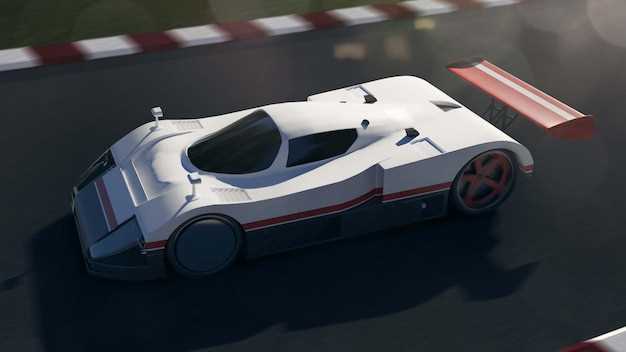
The integration of hybrid powertrains in motorsport presents a myriad of challenges that teams and manufacturers must address. One of the most significant hurdles is the balance between performance and efficiency. Racing teams aim to maximize speed and handling while adhering to increasingly stringent regulations that promote greener technologies.
Battery technology is another critical area of concern. Current energy storage systems need to provide sufficient power without adding excessive weight to the vehicle. Developing lightweight, high-capacity batteries that can endure the rigorous demands of racing is vital. Furthermore, the charging infrastructure at racetracks must also evolve to support rapid battery replenishment without causing significant delays during events.
Thermal management is essential in hybrid systems, as internal combustion engines and electric components generate heat. Efficient cooling solutions must be designed to prevent overheating, which can lead to performance loss or even failure during races. Additionally, engineers face challenges in optimizing the synergy between the electric and combustion elements to ensure seamless power delivery.
The complexity of hybrid systems introduces challenges in vehicle setup and tuning. Teams must invest in advanced simulation tools and comprehensive data analysis to refine their setups for optimal performance on the track. This reliance on technology demands not only skilled personnel but also a shift in strategy to make the most of hybrid advantages.
Finally, the competitive landscape in racing continues to evolve. As teams adopt green technologies, the race for the best hybrid powertrain intensifies. Manufacturers must innovate continuously, not only to meet regulatory requirements but also to gain a competitive edge. These challenges present an exciting yet daunting path for the future of hybrid powertrains in motorsport.
Future Trends in Hybrid Motorsports and Fan Engagement
As the automotive industry shifts towards greener technologies, hybrid powertrains are becoming increasingly prevalent in motorsport. This evolution presents unique opportunities for engaging fans in new and innovative ways.
Key trends shaping the future of hybrid motorsports and fan engagement include:
- Enhanced Digital Experiences: With the integration of technology, fans can expect richer digital interactions. Live telemetry data from hybrid systems can be shared in real-time, providing insights into car performance and strategy.
- Interactive Platforms: Hybrid motorsport events are likely to leverage augmented and virtual reality, allowing fans to immerse themselves in the racing experience. This tech enables followers to virtually attend races or participate in simulations.
- Sustainability Initiatives: As green technologies take center stage, teams may engage fans through environmental initiatives. Programs focused on sustainability can increase awareness and promote eco-friendly practices among the fanbase.
- Collaborations with Tech Companies: Partnerships with tech firms can lead to innovative fan engagement solutions. From mobile applications providing in-depth analysis of hybrid systems to gamified experiences, these collaborations enhance the overall spectator experience.
- Community Engagement: Hybrid motorsports can leverage local community events to increase fan involvement. This grassroots level engagement fosters a deeper connection between the sport and its supporters, encouraging participation in sustainability efforts.
In conclusion, the future of hybrid motorsports lies not only in technological advances but also in how effectively these innovations engage fans. By embracing hybrid technology and prioritizing green initiatives, motorsport can enhance its appeal and foster a loyal, environmentally conscious fanbase.


