

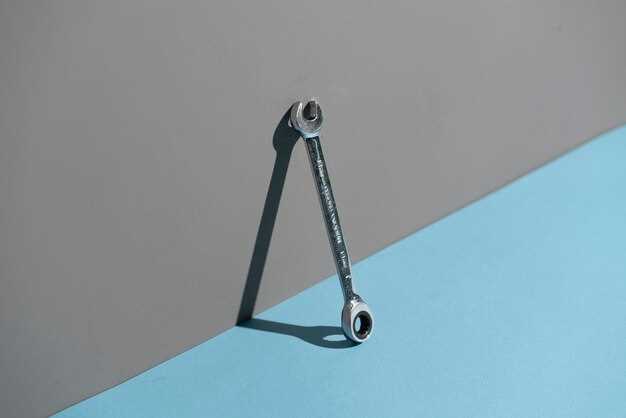
When it comes to tightening bolts to a specific tension, a torque wrench is an indispensable tool for both professionals and DIY enthusiasts. Its primary function is to ensure that bolts are fastened correctly, preventing issues that arise from over-tightening or under-tightening. The proper use of a torque wrench can significantly impact the performance and longevity of any machinery or vehicle, making understanding the various types essential for anyone working with mechanical assemblies.
Torque wrenches vary in design and function, each suited for specific tasks and environments. The most common types include the click-type, beam-type, and electronic torque wrenches. Each type has its own advantages and applications, which can be critical when working with precision components. Knowing which wrench to use for a particular bolt size or application will ensure optimal performance and safety in your projects.
In this guide, we will delve into the different types of torque wrenches available on the market and provide detailed instructions on how to use them effectively. Whether you are a seasoned mechanic or a novice, mastering the use of a torque wrench can enhance your skills and improve the quality of your work. Understanding the specifics of torque measurement and proper usage techniques can help you avoid costly mistakes and achieve professional-level results.
Understanding Different Types of Torque Wrenches
Torque wrenches are essential tools in various fields, including automotive, construction, and mechanical engineering. They ensure that bolts and nuts are tightened to the correct torque specifications, preventing damage and ensuring safety. Here are the primary types of torque wrenches and their uses:
1. Beam Torque Wrench: This type features a simple design with a scale and a pivoting beam. The user applies force using the handle, and the beam moves to indicate the torque value on the scale. Beam wrenches are easy to use and require no battery or calibration, making them reliable for accurate measurements.
2. Click Torque Wrench: A click torque wrench emits a click sound when the preset torque value is reached. This audible signal helps prevent overtightening. They are popular in automotive applications due to their ease of use and accuracy. Users should calibrate these wrenches regularly to maintain precision.
3. Digital Torque Wrench: Offering high precision, digital torque wrenches display torque values on a digital screen. They often come with features such as memory recall, preset values, and even programmable settings. These wrenches are suited for both professional and DIY use, ensuring efficient and accurate torque application.
4. Dual-Dial Torque Wrench: This type combines the features of beam and click wrenches. It has a dual dial system with both an analog scale and a click mechanism. The dual readings provide versatility in monitoring torque applied, making it ideal for applications requiring fine adjustments.
5. Torque Angle Gauge: While not a traditional torque wrench, this tool is used in conjunction with other wrenches. It measures the angle of rotation after an initial torque has been applied. This method is crucial in applications where torque-to-yield specifications are critical.
Understanding the various types of torque wrenches allows users to select the right tool for their specific needs, ensuring effective and safe fastening. Proper usage of these wrenches is vital for achieving accurate torque values and maintaining the integrity of fastened connections.
How to Choose the Right Torque Wrench for Your Project

Choosing the right torque wrench is essential for ensuring proper tightening of bolts in various applications. The first step is to identify the torque specifications required for your project, as different bolts and materials may require different torque settings.
Next, consider the type of torque wrench that best suits your needs. There are three main types: beam, click, and digital torque wrenches. Beam wrenches are simple and reliable but may require more effort to read. Click wrenches provide an audible signal when the desired torque is reached, making them user-friendly. Digital torque wrenches offer precise readings and can store measurement data, ideal for more complex projects.
It’s also important to evaluate the torque range of the wrench. Ensure that the minimum and maximum torque values fit within the requirements of your project. Using a wrench that is not suited to your torque range can lead to inaccurate measurements and potential damage to bolts.
Lastly, consider the calibration and accuracy of the torque wrench. Over time, wrenches can lose calibration, leading to unreliable torque applications. Look for wrenches that provide calibration services or come with a calibration certificate to ensure precision and reliability.
Step-by-Step Guide to Properly Using a Torque Wrench
Using a torque wrench correctly is essential for ensuring that bolts are fastened to the manufacturer’s specified torque settings. Follow this step-by-step guide to achieve accurate results.
Step 1: Choose the Right Torque Wrench
Select a torque wrench that suits the application and the required torque range. Ensure the wrench is calibrated and in good condition, as this will directly affect the accuracy of the torque applied.
Step 2: Set the Desired Torque
Adjust the torque setting by turning the handle until the desired torque value is reached. Make sure to refer to the specification manual of the equipment or parts to identify the correct torque value.
Step 3: Prepare the Bolt
Clean the bolt threads and the surfaces that will be mated. This ensures proper engagement and helps in achieving accurate torque readings while preventing damage to the bolt or nut.
Step 4: Position the Torque Wrench
Align the wrench with the bolt and grip the handle firmly. Keep the wrench perpendicular to the bolt head to ensure even torque application. Avoid using extensions or cheater bars, as they can invalidate the torque reading.
Step 5: Apply Torque
Begin applying torque slowly and steadily. As you approach the set torque value, listen for the click sound or feel the release mechanism if using a click-type wrench, indicating that the desired torque has been achieved. For beam-type wrenches, watch the scale closely to ensure accuracy.
Step 6: Recheck the Torque
After applying the torque, it is recommended to check the bolt again for accuracy. Re-attach the wrench and confirm that the setting remains within specifications. This is particularly important in critical applications.
Step 7: Store Properly
Once finished, return the torque wrench to its lowest setting to relieve tension on the internals. Store it in a protective case to prevent damage and ensure longevity.
By following these steps, you ensure that bolts are torqued correctly, reducing the risk of failure and maintaining the integrity of the assembled components.
Common Mistakes When Using Torque Wrenches
Using a torque wrench correctly is essential for achieving the right tension on bolts. However, several common mistakes can lead to inaccurate torque settings and potential damage. Below are key errors to avoid:
-
Not Calibrating the Wrench:
Failing to calibrate the torque wrench regularly can result in inaccurate readings. Make sure to check it against a standard or professional tool at least once a year.
-
Over-Torquing:
Applying too much torque can strip bolts or damage components. Always adhere to the manufacturer’s specifications regarding torque levels.
-
Using the Wrong Type of Wrench:
Torque wrenches come in various types (click, beam, and electronic). Using the wrong type for a specific task can lead to errors in torque application.
-
Failure to Reset After Use:
Not resetting a click-type torque wrench to its lowest setting after use can place unnecessary stress on the internal spring, affecting calibration.
-
Incorrect Angle of Application:
Using the wrench at an angle instead of straight on can cause inaccuracies. Ensure the wrench is aligned with the bolt for precise torque application.
-
Neglecting to Follow Torque Sequence:
When tightening multiple bolts, always follow the specified torque sequence. Not doing so can lead to uneven pressure and assembly failure.
-
Ignoring the Condition of the Bolt:
Using a damaged or corroded bolt can compromise the integrity of the assembly. Always inspect bolts before applying torque.
-
Not Using Anti-Seize or Lubricant:
Applying torque without the proper lubrication or anti-seize can lead to higher friction and inaccurate torque readings. Use appropriate products as recommended.
Avoiding these common mistakes will help ensure that your torque wrench delivers accurate results, maintains the integrity of your fasteners, and contributes to reliable assembly performance.
How to Calibrate Your Torque Wrench for Accurate Results
Calibrating your torque wrench is essential to ensure the accurate application of torque to bolts during assembly and maintenance tasks. Inaccurate torque settings can lead to under-tightened or over-tightened bolts, resulting in potential mechanical failures. Here’s a step-by-step guide on how to calibrate your torque wrench properly.
Follow these steps to calibrate your torque wrench:
| Step | Description |
|---|---|
| 1 | Gather Necessary Tools: You’ll need a calibration device, such as a torque tester or a calibration stand, to measure the torque applied by your wrench. |
| 2 | Set the Torque Wrench: Adjust the torque setting on your wrench to the manufacturer’s specified value for calibration. |
| 3 | Attach the Torque Wrench: Securely attach the torque wrench to the calibration device or a test bolt that can withstand the torque applied. |
| 4 | Check the Calibration: Gradually apply torque using the wrench until you reach the set value. Compare the reading from the calibration device with the wrench’s indicated torque. |
| 5 | Make Adjustments: If there is a discrepancy between the readings, adjust the torque wrench according to your manufacturer’s instructions to match the desired torque value. |
| 6 | Repeat the Process: It’s advisable to repeat the calibration process at multiple torque settings to ensure that the wrench is accurate across its range. |
| 7 | Document Calibration: Record your calibration results for future reference. This will help you maintain accuracy over time and remind you when recalibration is due. |
Regular calibration of your torque wrench is vital. It not only enhances the accuracy of bolt fastening but also prolongs the life of both the wrench and the components it is used with. Depending on the frequency of use and the critical nature of your applications, consider calibrating your torque wrench every few months or after heavy usage.
Maintaining Your Torque Wrench for Longevity

Proper maintenance of your torque wrench is essential for ensuring its accuracy and extending its lifespan. Regularly checking and calibrating your tool will help maintain precision when fastening bolts. Start by cleaning the wrench after each use; wipe down the handle and ratchet with a soft cloth to remove grime and debris.
Avoid exposing your torque wrench to extreme temperatures or humidity, as this can affect its internal mechanisms. Store it in a protective case or a designated location to prevent any physical damage. When not in use, set the torque setting to the lowest value to relieve tension on the internal spring, preserving its calibration over time.
Periodically, check the calibration of your wrench according to the manufacturer’s recommendations, ideally every six months or after heavy use. A properly calibrated torque wrench ensures accurate torque application, preventing under- or over-tightening of bolts. If you notice any discrepancies in torque readings, consider having the tool professionally calibrated or replaced if it has sustained irreversible damage.
Lastly, pay attention to the overall condition of your wrench. Inspect the handle, ratchet, and socket for wear and tear. Replace any worn parts immediately to maintain the tool’s reliability. Following these maintenance practices will help ensure that your torque wrench delivers accurate performance over many years of service.


