


In the high-stakes world of auto racing, every second counts, and even the smallest misalignment can lead to significant consequences. Wheel alignment plays a critical role in optimizing vehicle performance, ensuring that tires maintain optimal contact with the track surface. This precise adjustment not only enhances stability but also improves handling, which is crucial for navigating sharp corners at high speeds.
Proper alignment of the wheels ensures that all four tires are pointing in the correct direction, allowing the car to respond predictably to driver inputs. This translates into better grip, increased tire longevity, and reduced drag, all of which are vital for achieving competitive lap times. In the context of racing, where margins are razor-thin, the significance of meticulous alignment cannot be overstated.
Furthermore, consistent wheel alignment contributes to better fuel efficiency, an often overlooked aspect in the pursuit of speed. A car with well-aligned wheels experiences less friction, which means the engine doesn’t have to work as hard to propel the vehicle forward. This efficiency can be the difference between a win and a loss, demonstrating that attention to detail in wheel alignment is essential for any serious racing team aiming for success.
Understanding Wheel Alignment in High-Performance Vehicles
Wheel alignment is a critical aspect of high-performance vehicle setup, directly influencing handling, tire wear, and overall performance. It refers to the adjustment of the angles of the wheels so that they are set to the car manufacturer’s specifications. These specifications are essential in optimizing how the vehicle interacts with the road, especially under extreme conditions encountered in racing.
In high-performance vehicles, precise alignment is crucial for several reasons:
- Handling Precision: Correct alignment ensures that the vehicle responds accurately to driver inputs. This precision allows for better cornering and stability at high speeds.
- Tire Lifespan: Ensuring proper alignment can significantly reduce uneven tire wear. High-performance tires are often costly, and their optimal lifespan is essential for competitive racing.
- Fuel Efficiency: Misalignment can lead to increased rolling resistance, which adversely affects fuel efficiency. In racing, where every second counts, optimizing fuel use is crucial.
- Braking Performance: Proper alignment impacts braking stability. A vehicle that is aligned correctly will have improved stopping power, which is vital in high-speed racing scenarios.
Key aspects of wheel alignment include:
- Camber: The angle of the wheels in relation to the vertical axis. Negative camber helps improve cornering grip.
- Toe: The angle at which the tires point in relation to the vehicle’s centerline. Adjusting toe settings can enhance responsiveness during turning.
- Caster: The angle of the steering pivot. Positive caster improves straight-line stability and self-centering of the steering.
Regular checks and adjustments of wheel alignment in high-performance vehicles are vital for maintaining competitive edge. Racing teams often employ sophisticated tools and software to monitor and calibrate alignment settings to fine-tune their vehicles for specific tracks and conditions. Through meticulous alignment, drivers can achieve optimal performance, making it a cornerstone of successful racing strategies.
Impact of Alignment on Tire Wear and Longevity
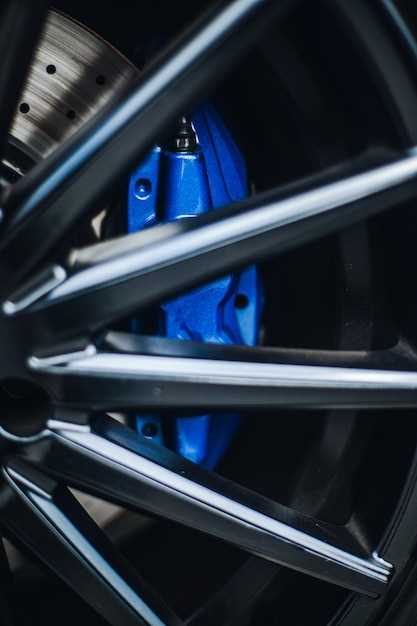
Proper wheel alignment is crucial in auto racing, significantly influencing tire wear and longevity. When the wheels are misaligned, it leads to uneven tire contact with the track surface, resulting in specific areas of the tire experiencing excessive friction. This uneven wear compromises the integrity of the tire and reduces its lifespan, ultimately leading to more frequent replacements, which increases costs.
In racing, where every millisecond counts, handling is paramount. Misalignment adversely affects handling characteristics; drivers may experience difficulties in maintaining control during high-speed maneuvers. Poor handling can lead to oversteering or understeering, forcing drivers to alter their racing lines and potentially impacting overall performance. This loss of handling precision often translates into slower lap times, as racers cannot fully exploit the vehicle’s capabilities.
Furthermore, uneven tire wear caused by incorrect alignment can lead to unexpected tire failures during a race, posing a safety risk to both the driver and other competitors. Continuous monitoring and adjustments of wheel alignment ensure that tires wear evenly, improving contact with the road and enhancing grip. Consequently, well-aligned vehicles not only achieve better handling but also extend tire life, providing a competitive edge throughout the racing season.
Effects of Poor Alignment on Vehicle Handling
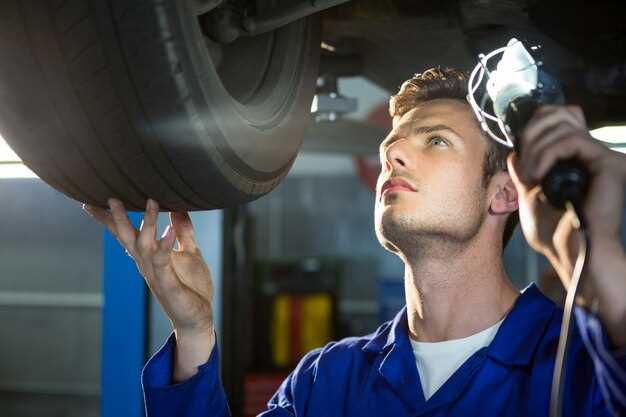
Poor wheel alignment can significantly compromise a vehicle’s handling characteristics, leading to a variety of performance issues during auto racing. When alignment is off, it affects how the tires make contact with the road surface, which can compromise traction and stability.
One major consequence of improper alignment is uneven tire wear. As the tires may be forced to work harder to maintain grip, this can result in diminished handling response and compromised cornering performance. A vehicle that drifts or pulls to one side not only struggles to maintain a straight path but also increases the driver’s workload, impacting their concentration and ability to execute precise maneuvers.
Additionally, steering response becomes less predictable with poor alignment. This can lead to oversteering or understeering, where the car may either turn too sharply or fail to turn adequately while approaching corners. Such inconsistencies not only hinder a driver’s confidence but can also result in dangerous situations during high-speed races.
In terms of suspension performance, misalignment can cause components to work harder than intended, leading to premature wear and potential failure. This increases the risk of catastrophic loss of vehicle control while racing, exacerbating the already critical need for optimal handling.
In summary, maintaining proper wheel alignment is essential for ensuring that a vehicle handles predictably and responsively. Any misalignment can lead to compromised performance and safety on the racetrack, highlighting the importance of regular inspections and adjustments in competitive racing environments.
How Alignment Issues Affect Race Performance
In auto racing, precise alignment is crucial for optimal performance. When a car’s wheels are not aligned correctly, several issues arise that can significantly hinder racing outcomes. Misalignment affects tire wear, handling, and overall speed, which are all critical factors in a race.
One of the primary consequences of poor alignment is uneven tire wear. When the wheels are misaligned, tires do not make contact with the track in an optimal manner, leading to excessive wear on specific areas. This can result in loss of grip and reduced traction, making it difficult for drivers to maintain control during high-speed maneuvers.
Furthermore, alignment issues can severely impact a car’s handling characteristics. A misaligned vehicle may pull to one side, forcing drivers to constantly correct their steering. This affects their ability to maintain a straight line, especially on straightaways, and can lead to inconsistencies in lap times. Drivers may also struggle to execute turns effectively, as improper alignment can result in oversteer or understeer, diminishing overall racing performance.
Speed is another critical element influenced by alignment. When wheels are not set to the optimal angles, aerodynamics can be compromised, leading to increased drag. As a result, drivers may experience slower acceleration and reduced top speeds, which can prove detrimental in competitive environments where milliseconds make a difference.
In conclusion, maintaining proper alignment is essential for maximizing race performance. It ensures even tire wear, enhances handling, and boosts speed, all of which are vital for achieving a competitive edge on the track. Teams that prioritize alignment check-ups and adjustments are more likely to succeed in the high-stakes world of auto racing.
Optimal Alignment Settings for Different Racing Conditions
In auto racing, wheel alignment plays a crucial role in determining the vehicle’s handling characteristics under various conditions. Optimal alignment settings can significantly enhance traction, responsiveness, and stability, especially during cornering and high-speed maneuvers. Understanding how different racing environments affect alignment preferences is essential for achieving peak performance.
For dry track conditions, a more aggressive alignment can be beneficial. A slight negative camber is often employed to maximize tire contact during cornering. This setup improves grip and handling, allowing for faster lap times. Additionally, toe settings are typically adjusted to a slight toe-out configuration to enhance steering responsiveness, which is particularly advantageous in tight corners.
In contrast, wet or slippery surfaces require a reevaluation of alignment settings. Increasing the positive camber can provide greater stability, reducing the chance of losing traction. In these conditions, a more conservative toe setting, often approaching zero, can improve straight-line stability and prevent the car from becoming overly sensitive to steering inputs.
On oval tracks, where high-speed cornering is constant, teams often favor a special alignment configuration. A moderate negative camber allows for optimal handling in sustained turns, while a slight toe-in can enhance stability at high speeds. This helps maintain control without compromising speed, crucial for competitive racing.
Finally, in off-road racing situations, adaptability is key. Vehicles typically utilize a more rugged suspension setup with alignment settings that accommodate rough terrain. Increased camber angles can improve traction on uneven surfaces, while a wider track width may enhance stability and cornering grip in unpredictable conditions.
Ultimately, successful alignment in racing hinges on balancing the vehicle’s handling characteristics with the demands of the specific track conditions. Regularly assessing and adjusting alignment settings allows teams to fine-tune performance and gain a competitive edge.
Routine Alignment Checks: Timing and Best Practices
Regular alignment checks are crucial for maintaining optimal performance in auto racing. These checks should be scheduled at strategic intervals to ensure that the vehicle remains responsive and competitive.
Pre-Race Alignment Checks are essential. Before any race, a thorough alignment inspection should be conducted. This ensures that all settings are within the desired specifications and any discrepancies can be corrected immediately. A precise alignment can dramatically enhance tire efficiency and overall handling.
Additionally, Post-Race Alignment Checks are equally important. After a race, tires and suspension components can experience significant wear and tear. Conducting an alignment check right after each event allows teams to identify any misalignment issues that may have arisen during the race, preventing future complications.
Routine Maintenance Intervals can be set based on use frequency. For teams actively racing each week, alignment checks should ideally be done bi-weekly or after every 1,500 to 2,000 miles of driving. For less frequent users, quarterly checks can suffice, but it’s vital to assess the performance and condition of the vehicle regularly.
Aside from timing, best practices involve using advanced alignment tools and technologies. Utilizing laser-guided alignment systems ensures precision and can expedite the alignment process. Additionally, documenting alignment settings after each check allows teams to track changes and improve understanding of vehicle dynamics over time.
Finally, involve experienced technicians who understand the intricacies of race car setups. Their insights will enhance the alignment process, ensuring that each adjustment contributes positively to the car’s performance.


